The Importance of After-School Physical Activity
Why Staying Active Matters More Than Ever
In today’s digital world, kids are spending more time indoors and glued to screens than ever before. Whether it’s video games, social media, or streaming shows, sitting still has become the new normal. But after a long day at school, kids actually need movement the most. Physical activity isn’t just about burning energy—it helps boost mood, sharpen focus, and improve overall health.
When children engage in after-school sports, they recharge both physically and mentally. Exercise increases blood flow to the brain, which helps them stay alert and improves memory and concentration. It also helps reduce stress, boost confidence, and promote better sleep. Instead of scrolling endlessly, active play allows kids to release built-up energy and refocus for the next day.
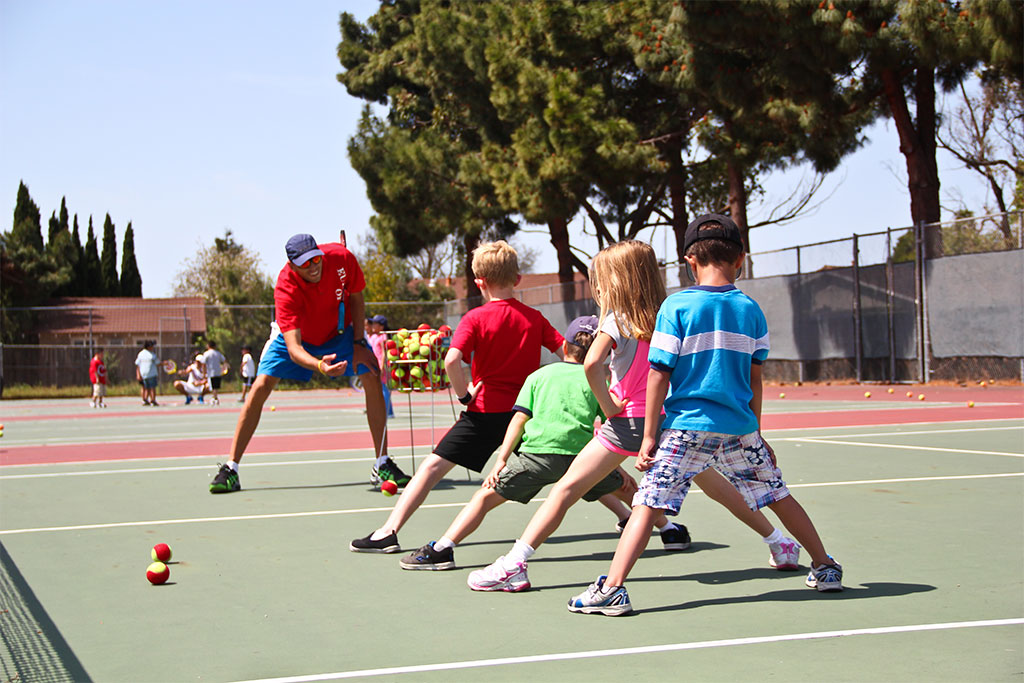
Health experts in the US recommend that kids get at least 60 minutes of physical activity daily, and after-school sports are one of the best ways to make that happen. Whether it’s running, stretching, or hitting a tennis ball, consistent movement supports stronger bones, better posture, and a healthier heart.
The Hidden Benefits of Sports Beyond Fitness
Sports do much more than build strong muscles. They build character, discipline, and social skills. When children participate in team or individual sports, they learn about responsibility, patience, and teamwork. These are lessons that can’t be learned from a screen.
Team sports like soccer teach cooperation and trust. Kids learn that success doesn’t come from one player—it’s the result of everyone working together. Individual sports like tennis or swimming help kids develop focus, determination, and mental toughness. Every win or loss becomes an opportunity to grow.
Sports also provide emotional benefits. They give kids a sense of belonging and accomplishment. When a child scores a goal or perfects a new move, their confidence skyrockets. And when they face challenges, they learn resilience—the ability to bounce back and try again.
Sports That Truly Make a Difference
Tennis: Building Confidence One Swing at a Time
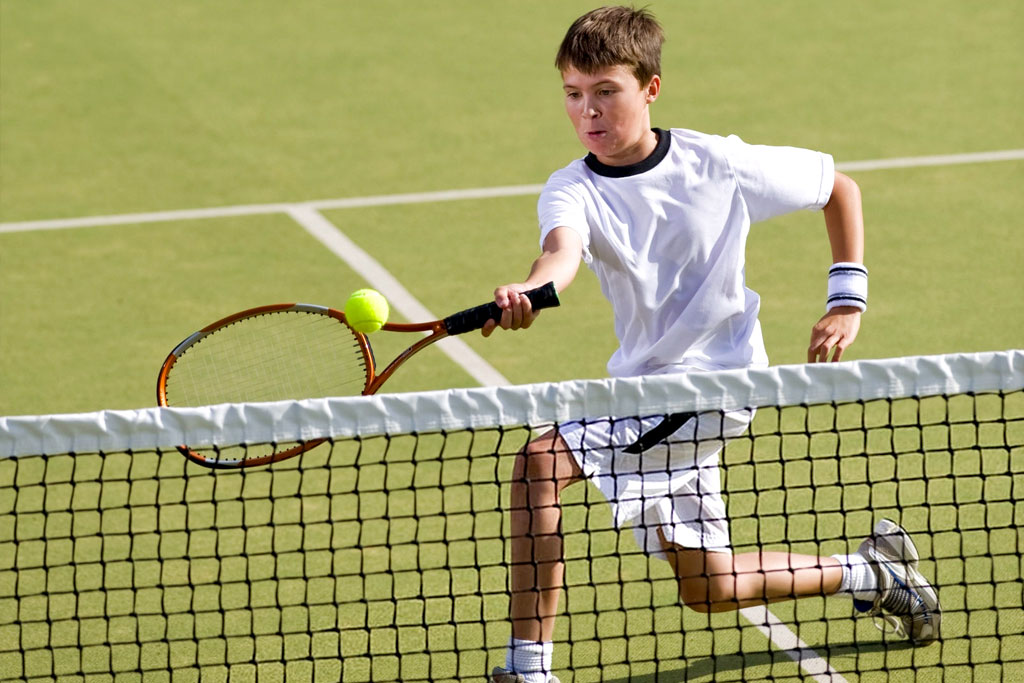
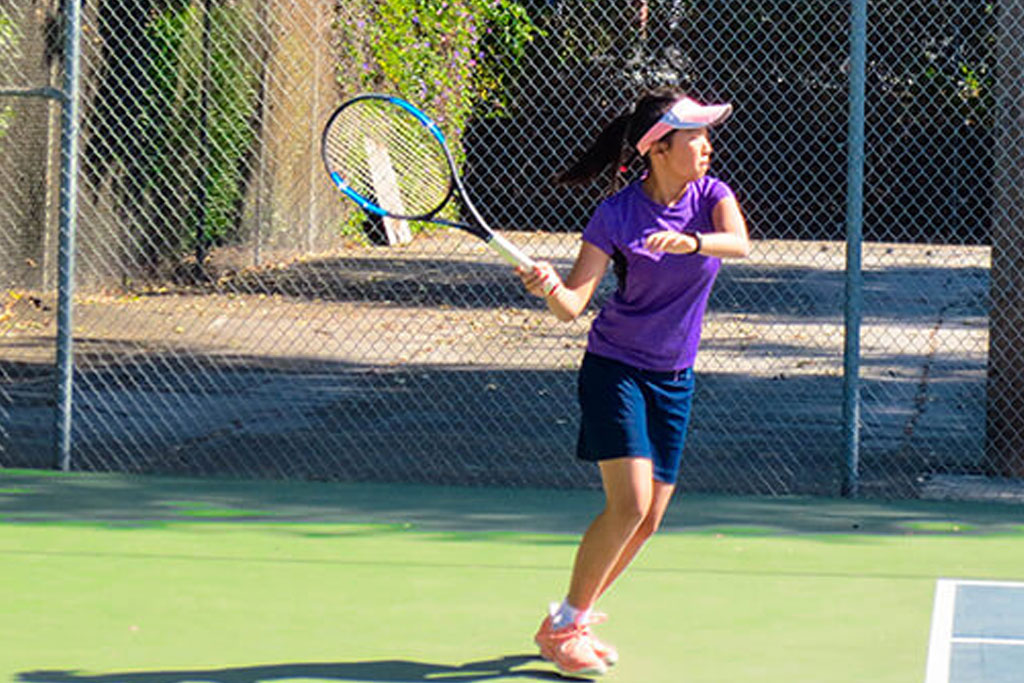
Tennis is one of the most complete after-school activities a child can join. It improves coordination, agility, and balance while teaching patience and strategy. Each match challenges kids to stay focused, think ahead, and make quick decisions. Tennis also teaches independence since players are responsible for every shot they take.
For children, tennis is fun and social. They get to make new friends, enjoy friendly competition, and celebrate small victories on and off the court. The game’s pace keeps them active while sharpening their hand-eye coordination and reaction time. Plus, the consistent movement makes it a great cardiovascular workout that supports heart health and stamina.
Most importantly, tennis helps build confidence. Every time a child masters a new skill, they feel more capable and proud of themselves. That sense of achievement often carries over into school, friendships, and other parts of life.
Soccer: Teaching Teamwork and Tenacity
Soccer remains one of the most popular sports for kids across the United States—and for good reason. It’s fast, exciting, and filled with valuable life lessons. On the field, kids learn to communicate, collaborate, and trust their teammates. They understand that every pass, assist, and goal matters.
Soccer also teaches perseverance. Matches aren’t always easy, and mistakes happen. But learning to recover from a missed shot or a tough loss builds mental toughness. Kids discover that success takes practice and effort, not perfection.
Beyond the lessons, soccer is an incredible workout. It improves endurance, coordination, and overall fitness. Running, dribbling, and defending keep every part of the body active. It’s a full-body sport that combines fun, friendship, and fitness—all in one game.
Dance and Yoga: Fun, Focus, and Flexibility
Not every child is drawn to competition, and that’s perfectly fine. Dance and yoga are excellent alternatives for kids who enjoy creative expression and calm focus.
Dance encourages freedom of movement and boosts self-expression. It improves coordination, rhythm, and posture while helping kids feel confident in their own bodies. Whether it’s hip-hop, jazz, or ballet, dance classes are full of energy and excitement.
Yoga, on the other hand, teaches mindfulness and balance. It helps kids manage stress and anxiety by focusing on breathing and body awareness. Through yoga, children learn to calm their minds and strengthen their bodies at the same time. It’s the perfect mix of relaxation and physical fitness.
Both dance and yoga build flexibility and concentration, helping kids stay centered and confident in everything they do.
The Power of Variety: Keeping Kids Engaged and Excited
The best way to keep kids active is by offering them variety. When children can explore multiple activities—like tennis, soccer, dance, or yoga—they stay engaged and motivated. Trying different sports helps them discover what they truly enjoy and prevents boredom.
Variety also develops different muscle groups and skill sets. Switching between individual and team sports allows kids to build well-rounded strength, coordination, and confidence. After-school programs that provide multiple options encourage participation and excitement, helping every child find their passion for movement.
Creating a Lasting Impact Through Sports
How Sports Shape Mindsets and Life Skills
Sports shape more than the body—they shape character. Every practice and game teaches responsibility, time management, and respect for others. Kids learn that improvement takes patience and effort. When they see progress, it reinforces the idea that hard work pays off.
These lessons translate far beyond the field or court. A child who learns persistence in sports applies that same mindset to school, friendships, and challenges later in life. They become more resilient, confident, and adaptable—qualities that are essential in adulthood.
The Role of Coaches and Parents in Motivation
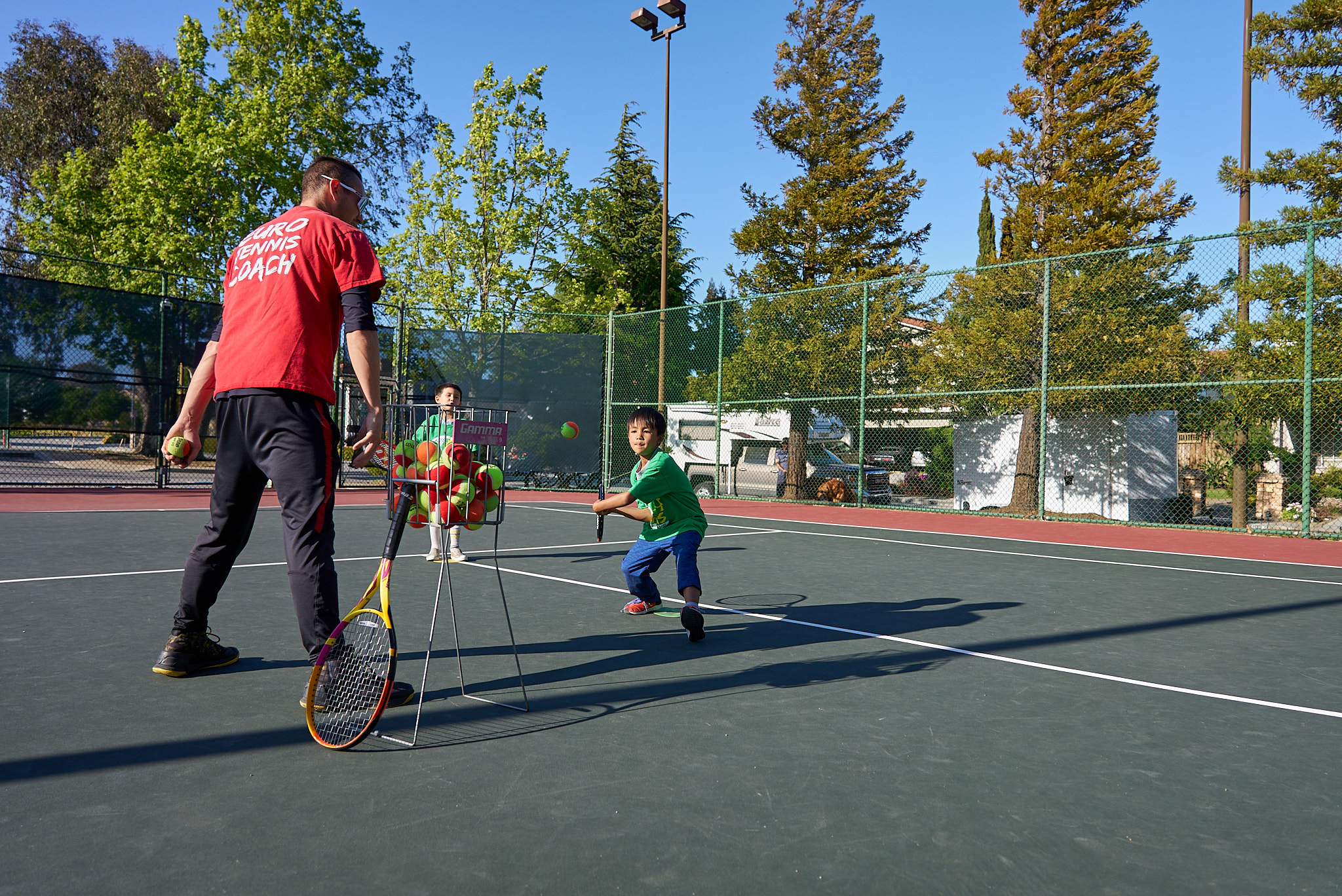
Support from coaches and parents plays a huge role in keeping kids motivated. Coaches guide with encouragement and positivity, helping kids see mistakes as part of learning. Parents who cheer from the sidelines and celebrate effort rather than just winning create an environment where children feel supported and valued.
Together, they build a foundation of trust and enthusiasm that keeps kids eager to participate. When adults show that being active is fun and rewarding, kids naturally want to continue.
Building a Healthy Routine Kids Enjoy
Consistency is the key when it comes to staying active. When sports and movement become part of a child’s daily routine, they develop lifelong healthy habits. After-school programs offer structure, friendship, and a positive environment where kids can thrive.
Keeping kids active after school is more than filling their time also shapes their future. Sports provide confidence, discipline, and joy that carry into every part of their lives. The more we encourage children to move, play, and explore, the more they’ll grow into healthy, happy, and resilient individuals ready to take on the world.