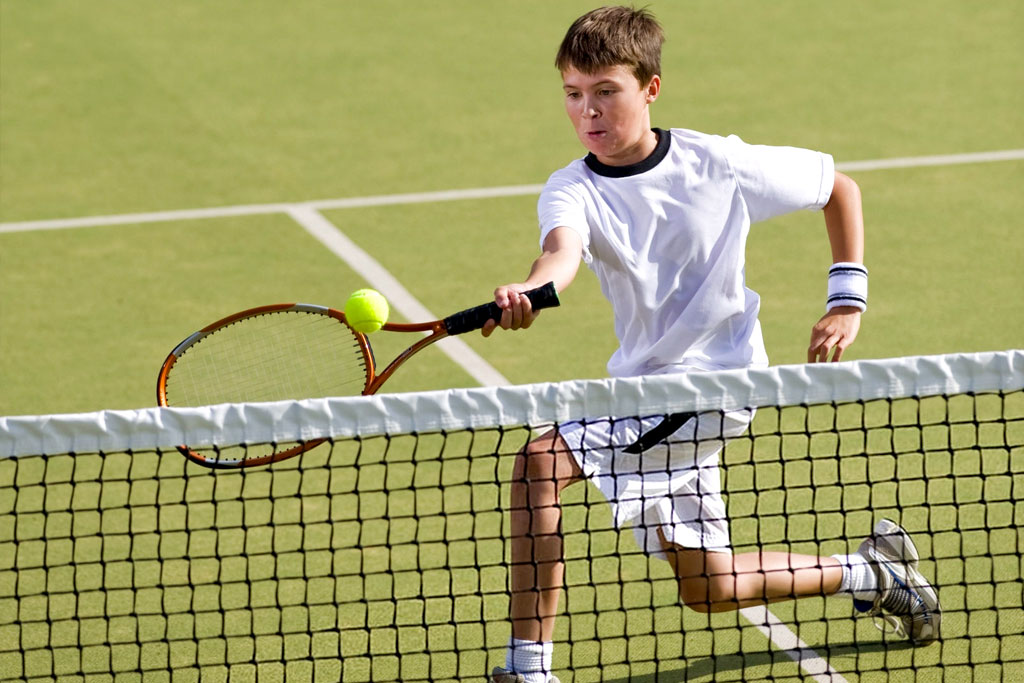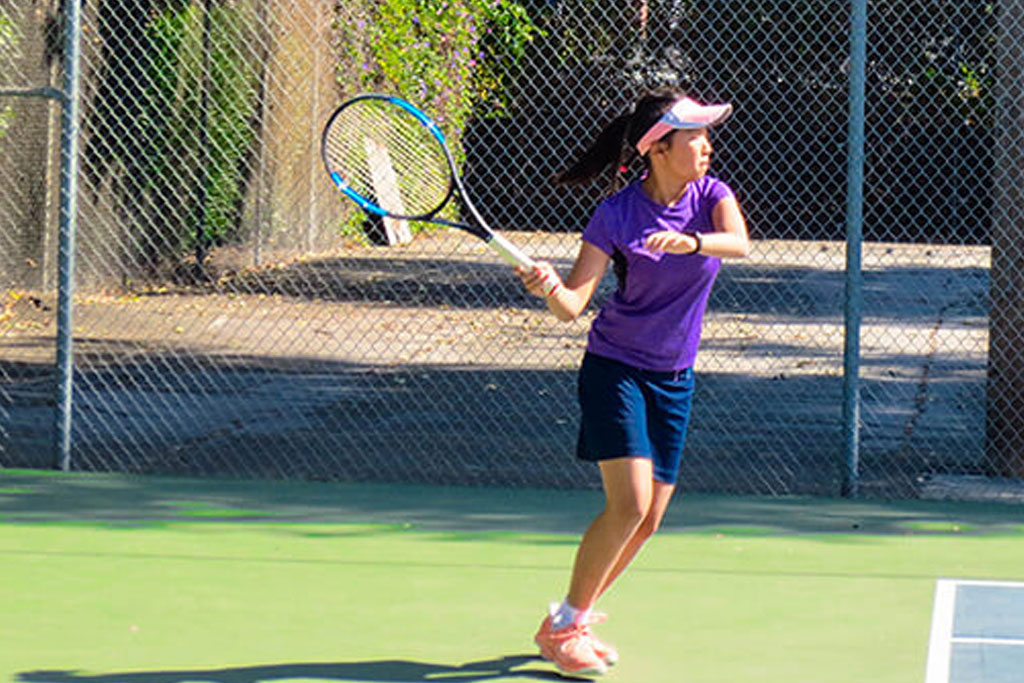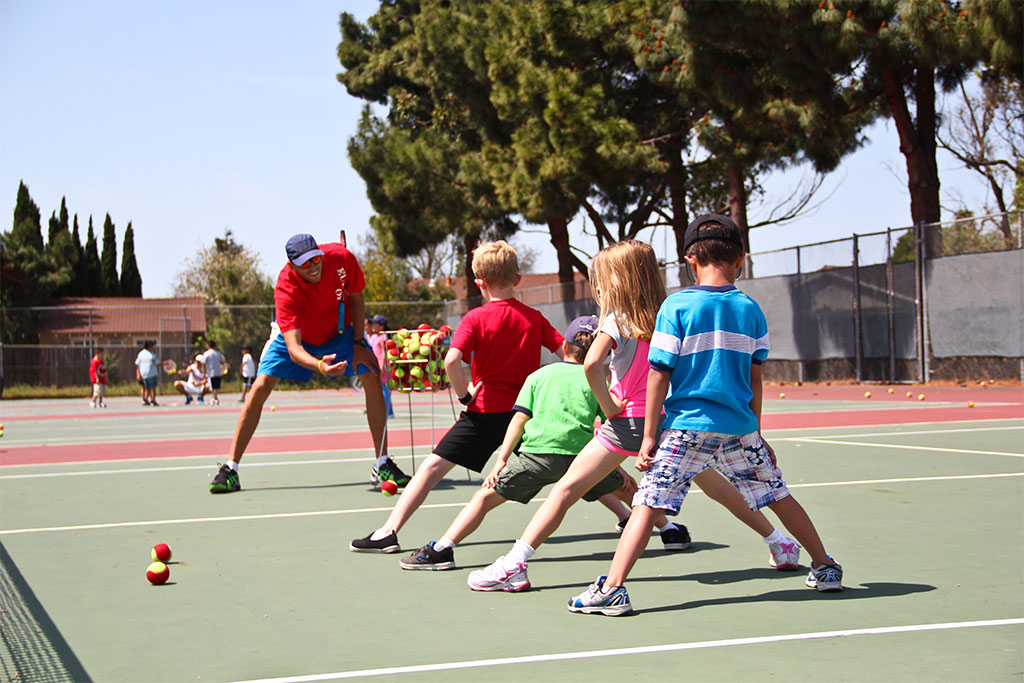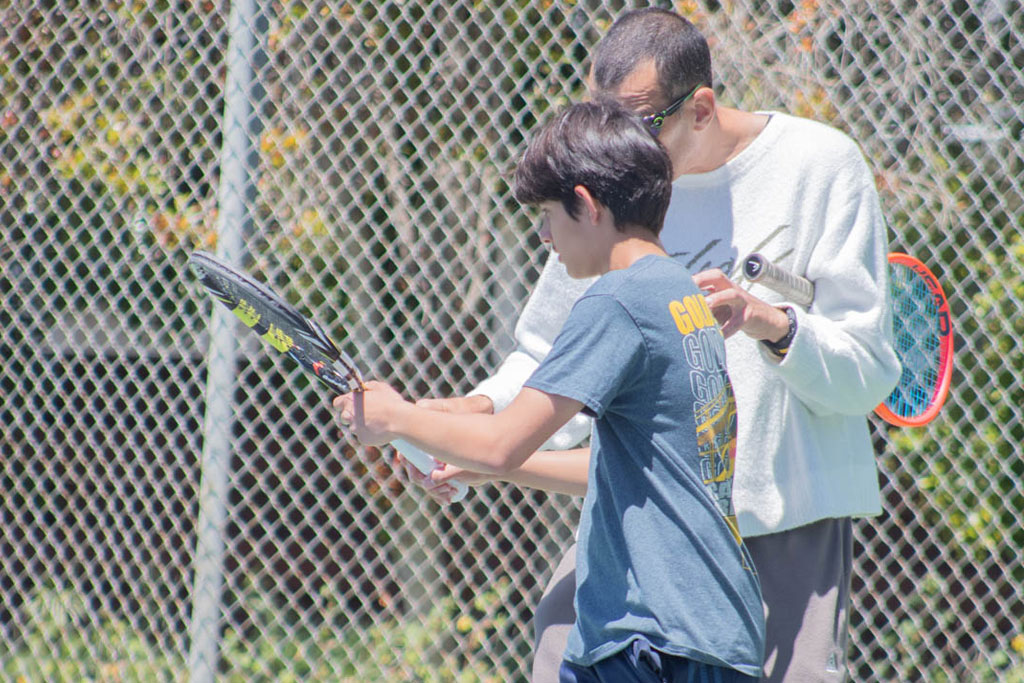
Tennis is more than a game of powerful serves, precise shots, and exciting rallies. Every season, the world’s best tennis players demonstrate the importance of hard work, mental strength, discipline, and passion. From thrilling Grand Slam matches to unforgettable comebacks, their performances offer valuable lessons for players of all ages and skill levels.
Whether you’re a beginner learning the fundamentals or an experienced player looking to improve your game, watching professional tennis can provide inspiration and practical insights. By studying how top players train, compete, and respond to challenges, you can discover ways to become a better player both on and off the court.
Let’s explore the biggest lessons from professional tennis and how you can apply them to your own game.
1. Consistency Is the Foundation of Success
One of the most important lessons from professional tennis is the value of consistency. While spectacular winners often make the highlights, many matches are won through reliable groundstrokes, smart shot selection, and the ability to keep the ball in play.
Players like Novak Djokovic have demonstrated how consistency can make a difference at the highest level. His movement, defensive skills, and ability to extend rallies put constant pressure on opponents. Rather than relying on a winning shot every time, successful players understand when to be patient and wait for the right opportunity.
What you can learn: Focus on developing reliable strokes before trying to hit powerful winners. Practice your forehand, backhand, and footwork regularly. Set small goals, such as completing ten consecutive groundstrokes without an error.
Remember, improvement comes from repetition. Building consistent habits during practice can help you feel more confident when competing.
2. Mental Toughness Matters as Much as Technique
Tennis is an individual sport that requires players to make decisions, manage pressure, and recover quickly from mistakes. Even the best players miss shots, lose games, and face difficult moments during matches.
What separates strong competitors is often how they respond to these challenges.
Rafael Nadal became widely admired for his determination, competitive spirit, and relentless effort. Throughout his career, he showed how maintaining focus and continuing to compete can help players navigate challenging situations.
Mental toughness doesn’t mean never feeling nervous or frustrated. It means learning to manage those feelings and stay focused on the next point.
What you can learn: After making a mistake, avoid dwelling on the previous point. Take a breath, reset your focus, and prepare for the next rally. During practice, challenge yourself to stay positive even when a drill becomes difficult.
Over time, these habits can help you develop greater confidence and composure on the court.
3. Passion Makes Practice More Meaningful
Behind every memorable tennis performance are countless hours of practice. Professional players dedicate years to improving their technique, building fitness, and understanding the game.
Roger Federer is an excellent example of how passion and dedication can support a long and successful career. His graceful playing style, creativity, and love for the sport inspired tennis fans around the world.
Passion helps players stay motivated, especially when progress feels slow. It encourages them to keep learning, enjoy the process, and return to practice with a positive attitude.
However, passion is not just about winning trophies. It can also mean enjoying the challenge of learning a new skill, celebrating a small improvement, or simply looking forward to playing tennis with friends.
What you can learn: Find something you genuinely enjoy about tennis. Set personal goals, celebrate your progress, and approach practice with curiosity. When you enjoy the learning process, it becomes easier to stay motivated and committed.
4. Smart Strategy Can Change a Match
Powerful shots can be exciting, but tennis also rewards players who think strategically. Professional players constantly evaluate their opponents, adjust their positioning, and choose shots based on the situation.
Carlos Alcaraz, for example, is known for combining aggressive shot-making with speed, variety, and creativity. His ability to mix powerful groundstrokes with drop shots and changes in direction makes him a challenging opponent.
Good strategy begins with understanding that every point is different. Sometimes the best decision is to attack. At other times, keeping the ball deep and waiting for an opening is the smarter choice.
What you can learn: Pay attention to where your opponent stands and which shots they find difficult to return. Practice hitting crosscourt shots, changing direction, and using different ball heights and speeds.
Learning to make smarter decisions can help you use your strengths more effectively, even when your opponent has powerful shots.
5. Footwork and Fitness Make Every Shot Better
A technically sound stroke is only effective when you can get into the right position to hit it. That’s why professional tennis players spend so much time developing their footwork, balance, speed, and endurance.
Watching players such as Iga Świątek highlights the importance of movement and positioning. Quick footwork helps players reach difficult balls, recover after each shot, and prepare for the next rally.
Fitness also plays a major role during long matches. Players need the endurance to maintain concentration and movement over several sets, while strength and coordination help support efficient strokes.
What you can learn: Include movement drills in your tennis practice. Work on split steps, lateral movement, and recovering toward a balanced position after hitting the ball. Combine these drills with appropriate warm-ups and rest.
You don’t need to train like a professional to benefit from better movement. Consistent, age-appropriate practice can help you move more efficiently and feel more prepared on the court.
6. Learning From Losses Builds Better Players
Winning feels rewarding, but losses can provide some of the most valuable lessons in tennis. Every match reveals something about your strengths, weaknesses, and decision-making.
Professional players regularly review their performances, identify areas for improvement, and adjust their training. Even champions experience disappointing results, but setbacks can become opportunities to learn.
Instead of viewing a loss as a failure, consider it useful feedback. Perhaps you struggled with your second serve, made too many unforced errors, or had difficulty returning deep shots. Identifying one or two areas to improve gives your next practice session a clear purpose.
What you can learn: After a match, ask yourself three simple questions:
- What did I do well?
- What was the most challenging part of the match?
- What is one thing I can improve next time?
This reflection helps you focus on progress rather than perfection. It also encourages a growth mindset, which is valuable in tennis and everyday life.
7. Sportsmanship Is Part of Being a Champion
Tennis is a competitive sport, but respect remains an essential part of the game. Professional players demonstrate sportsmanship by respecting opponents, following the rules, acknowledging great shots, and accepting match results with maturity.
Young players can learn that being successful is not only about the final score. How you treat your opponent, communicate with your teammates, and respond to challenging situations also matters.
Good sportsmanship creates a positive playing environment and helps everyone enjoy the game.
What you can learn: Be respectful during matches, call the score clearly, follow the rules, and congratulate your opponent after playing. When things don’t go your way, focus on what you can control.
These simple habits help build character and make tennis a more rewarding experience for everyone.
Bring These Tennis Lessons to Your Next Practice
The world’s best tennis players show that success is built on more than natural talent. Consistency, mental toughness, passion, strategy, fitness, resilience, and sportsmanship all contribute to becoming a well-rounded player.
You don’t need to win a major tournament to put these lessons into practice. Start with one goal at a time. Work on your consistency, stay focused after mistakes, move with purpose, and enjoy the challenge of learning something new.
For young players, these habits can also build confidence, patience, and discipline that extend beyond the tennis court.
At Euro Sports Academy, developing as a tennis player means more than learning how to hit the ball. It means building skills, gaining confidence, and discovering the value of practice, perseverance, and teamwork.
Every champion starts somewhere. With consistent effort, a willingness to learn, and a genuine passion for the game, you can take meaningful steps toward becoming a stronger tennis player.
Ready to take your tennis game to the next level? Keep practicing, stay curious, and remember that every point is another opportunity to improve.