Introduction
Tennis is more than just hitting a ball over a net—it’s a game of strategy, skill, and endurance. But keeping players motivated, especially young athletes, can sometimes be challenging. In 2026, technology and creative coaching methods are making tennis training more fun, interactive, and effective than ever before. From gamified drills to virtual reality simulations, there are countless ways to make practice sessions exciting while improving skills and performance.
Gamified Drills: Turning Practice into Play
One of the easiest ways to make tennis training engaging is through gamified drills. Instead of repetitive exercises, coaches can introduce challenges, competitions, and point-based games. For example, players can earn points for hitting targets, completing rallies without errors, or executing advanced techniques. Leaderboards and team competitions create a sense of achievement and friendly rivalry, motivating players to push themselves. Gamification keeps training sessions dynamic and ensures that learning feels more like play than work.
Integrating Technology: Smart Training Tools
Technology is transforming tennis training in 2026. Wearable devices, sensor-equipped rackets, and smart courts provide instant feedback on shot accuracy, serve speed, and movement efficiency. Apps can track progress over time, set personalized challenges, and even simulate match scenarios. Virtual reality (VR) allows players to practice strategy, footwork, and shot selection in immersive environments, making training both fun and mentally stimulating. By incorporating technology, players stay engaged while gaining deeper insights into their game.
Short, High-Energy Sessions
Lengthy practice sessions can quickly become monotonous. Breaking training into short, high-intensity segments keeps energy levels high and attention sharp. Focus on 10–15 minute drills that target specific skills—like serve accuracy, volley practice, or footwork. Mixing up drills and introducing surprise challenges prevents boredom and encourages players to stay mentally alert. Short, dynamic sessions also mimic real match conditions, improving endurance and decision-making under pressure.
Creative Skill Challenges
Adding creativity to drills sparks excitement and keeps players engaged. For example, coaches can set up obstacle courses that incorporate running, lateral movements, and hitting accuracy. “Beat the clock” challenges, trick shot contests, and target-based exercises not only improve technical skills but also cultivate a sense of accomplishment. Creative challenges encourage experimentation, risk-taking, and confidence—all essential traits for a well-rounded player.
Incorporating Teamwork and Social Interaction
Tennis may be an individual sport, but teamwork can make training more engaging. Pairing players for doubles drills, relay challenges, or cooperative games promotes camaraderie and social interaction. Players often enjoy the competitive yet supportive environment, which enhances motivation and accountability. Social engagement also reinforces sportsmanship, communication skills, and a positive mindset—valuable both on and off the court.
Using Music and Rhythm
Music is a simple but powerful tool to enhance tennis training. Upbeat playlists can energize players during warm-ups and drills, while rhythmic beats help with timing and coordination. Some coaches even synchronize drills to music, encouraging players to move and swing in rhythm. This sensory engagement makes training more enjoyable, improves focus, and adds an element of fun that players remember.
Youth-Focused Approaches
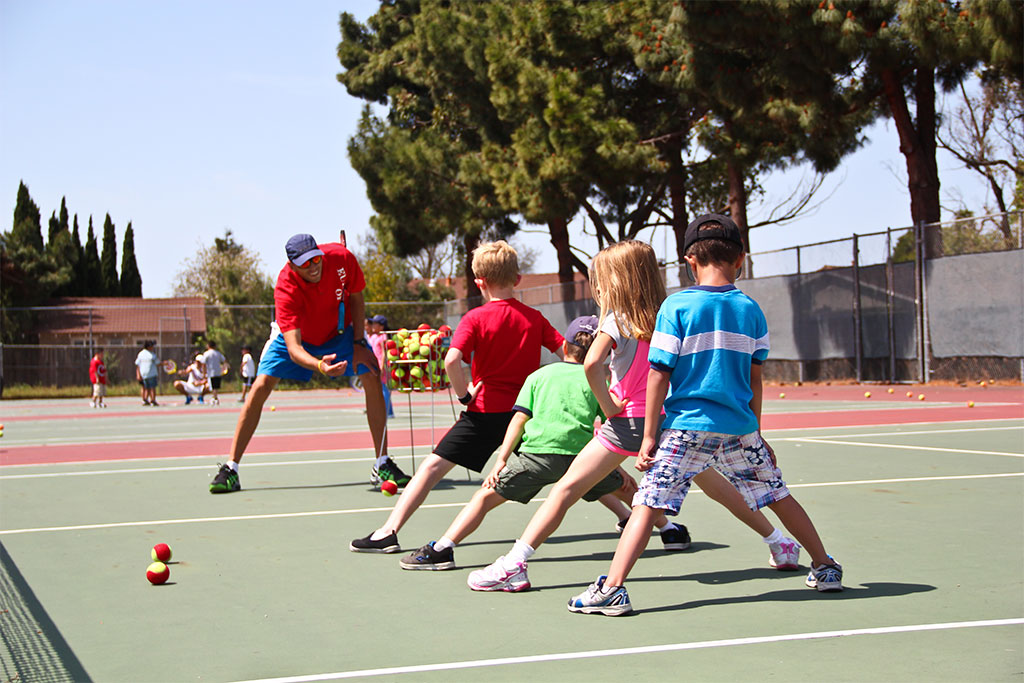
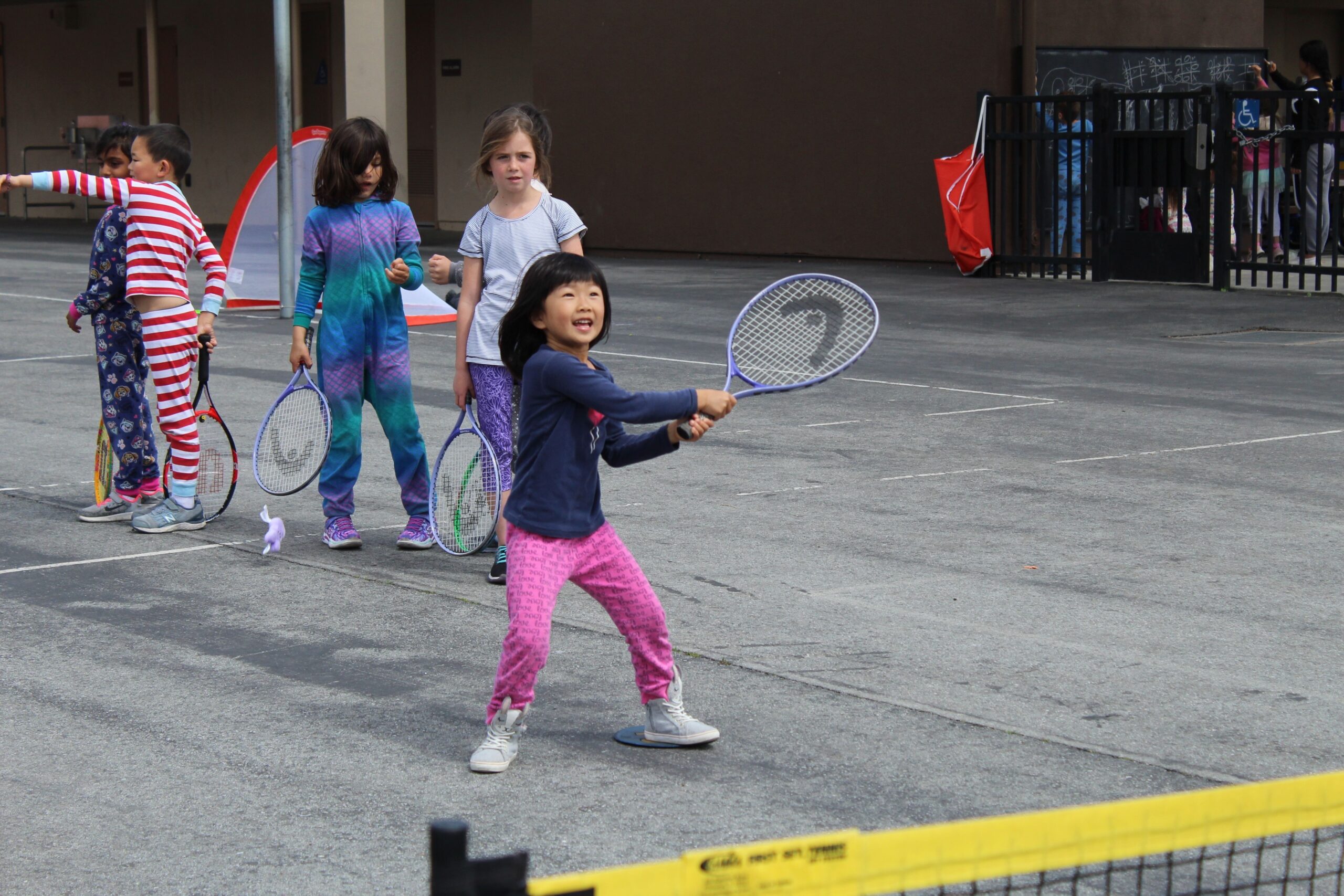
For younger players, combining technology, games, and fun challenges is key to maintaining interest. Interactive apps, point-based drills, and colorful court markers help children visualize goals and track progress. Mini-tournaments and playful competitions give them a sense of accomplishment while developing essential skills. By creating a supportive and stimulating environment, coaches can nurture a lifelong love of tennis.
Incorporating Mental Training
Fun training isn’t only about physical skills—mental engagement is just as important. Activities that challenge strategic thinking, decision-making, and focus make practice more stimulating. For example, players can simulate match scenarios where they must adapt tactics on the fly. Mindfulness exercises, visualization techniques, and interactive strategy games keep players mentally sharp while reinforcing the excitement of learning new skills.
Feedback and Recognition
Instant feedback and positive reinforcement are critical for engagement. Whether using technology, verbal encouragement, or small rewards, recognizing effort and improvement motivates players to keep practicing. Highlighting achievements, tracking progress, and celebrating milestones make players feel valued and inspired to continue developing their skills.
Conclusion
Making tennis training fun and engaging in 2026 is about blending creativity, technology, and thoughtful coaching. Gamified drills, smart devices, VR simulations, short high-energy sessions, and team-based activities all contribute to a dynamic learning environment. By focusing on both physical and mental development, coaches can create an experience that players look forward to, helping them improve faster while fostering a lifelong passion for the game. Tennis in 2026 is not just about winning—it’s about enjoying the journey, one exciting drill at a time.