Winter doesn’t have to mean a pause in your child’s tennis development. While cold weather and rain may keep outdoor courts off-limits, indoor tennis drills offer a fantastic opportunity for kids to refine their skills, stay active, and maintain confidence on the court. Incorporating engaging, structured activities ensures that children continue to grow their technique, coordination, and strategic thinking—even during the chilliest months.
1. Mini-Court Rally Drills
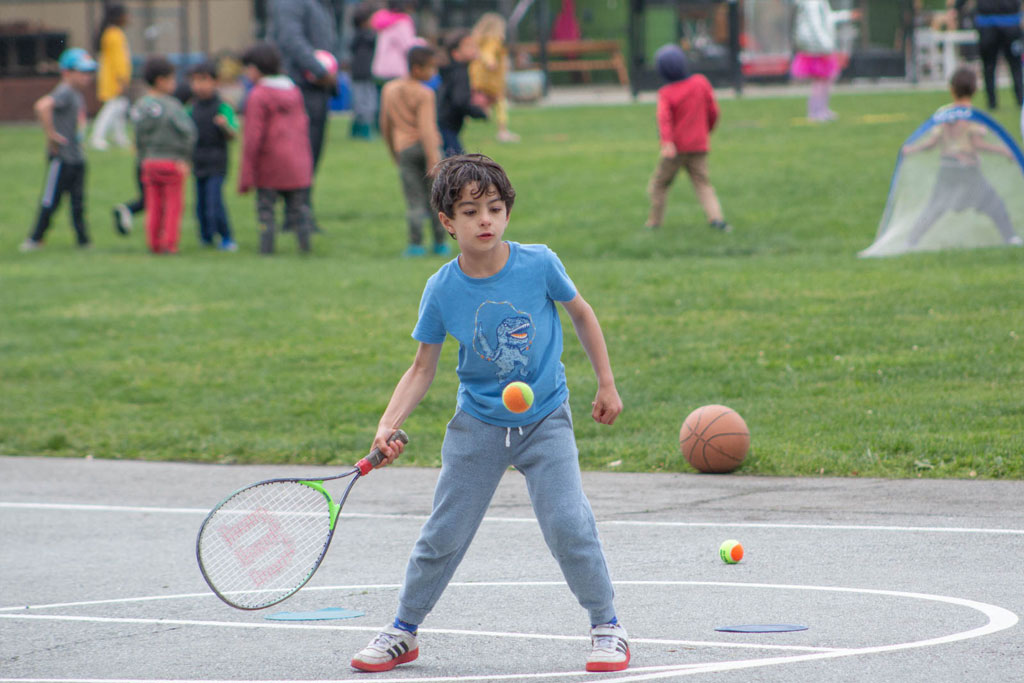
One of the best ways to keep kids’ strokes sharp indoors is to modify the playing area. Mini-court rally drills emphasize accuracy and control rather than power. By reducing the court size, children are encouraged to place their shots precisely, work on footwork, and anticipate ball placement.
For example, set up a smaller section of the court using cones or tape, and have kids practice forehands and backhands in controlled rallies. The smaller target area challenges their hand-eye coordination, while the reduced pace allows them to focus on form and consistency. This drill is especially effective for younger players who are still developing fundamental skills.
2. Target Practice with Cones or Spots
Target practice is an engaging way to improve shot accuracy. Place cones or marked spots on the court, and encourage children to aim for these zones during rallies or solo hitting sessions. This drill not only enhances precision but also promotes tactical thinking, as kids learn to place shots where they can gain an advantage in a match.
To increase the challenge, vary the distance and angle of the targets. For instance, a cone near the net encourages drop shots, while a cone deep in the baseline promotes powerful, controlled strokes. Celebrating successful hits adds a layer of motivation and keeps the drill fun and competitive.
3. Footwork and Agility Drills
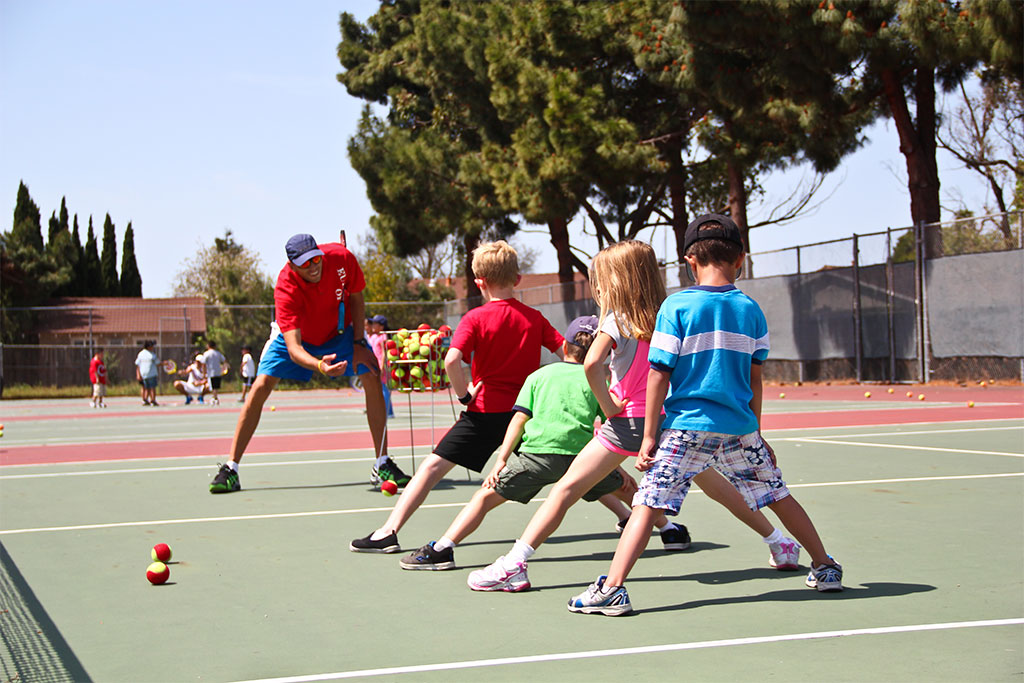
Footwork is the backbone of every great tennis player. Indoor drills that focus on agility, speed, and lateral movement can significantly improve a child’s on-court performance. Ladder drills, cone shuffles, and side-to-side sprints are excellent for honing quick reflexes and building muscular endurance.
Incorporating footwork drills into a short, high-energy circuit makes practice engaging. For example, set up stations where kids alternate between hopping through a ladder, sprinting to a cone, and performing split-step movements. This type of dynamic training not only strengthens their lower body but also sharpens balance and reaction time.
4. Volley and Net Play Drills
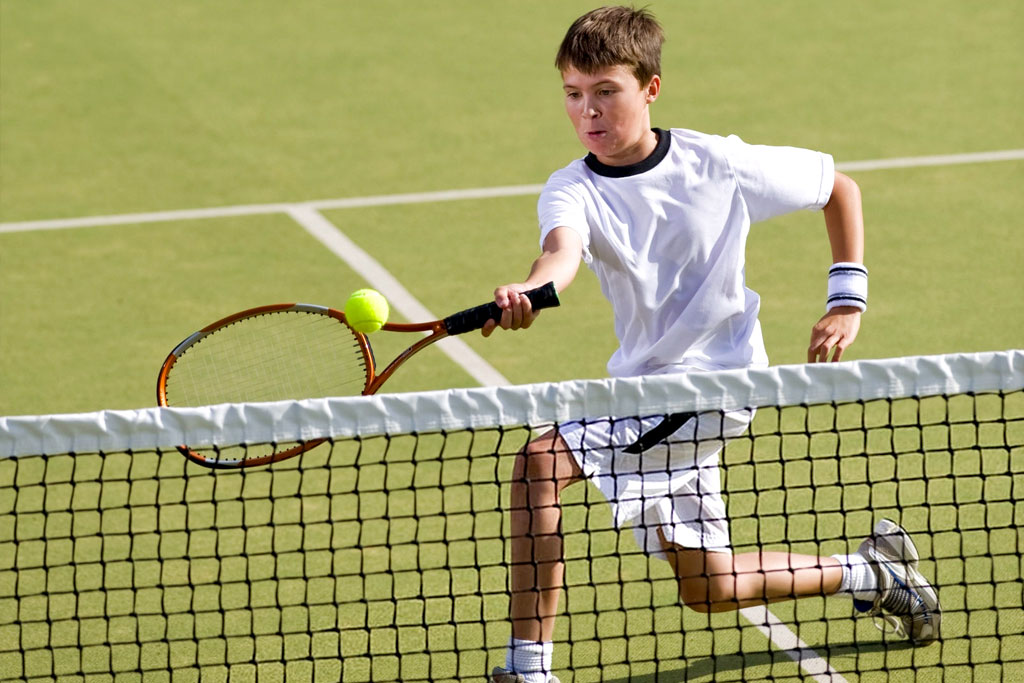
Net play is often overlooked, but mastering volleys can be a game-changer for young players. Indoor volley drills allow children to focus on reaction speed, hand-eye coordination, and touch. Start with simple exchanges close to the net, gradually increasing pace and complexity as their skills improve.
One fun drill involves the “rapid-fire volley,” where a coach or partner feeds balls at a quick rhythm, encouraging kids to maintain control and accuracy. This drill develops confidence in close-range play and reinforces the importance of positioning and anticipation.
5. Serve and Return Practice
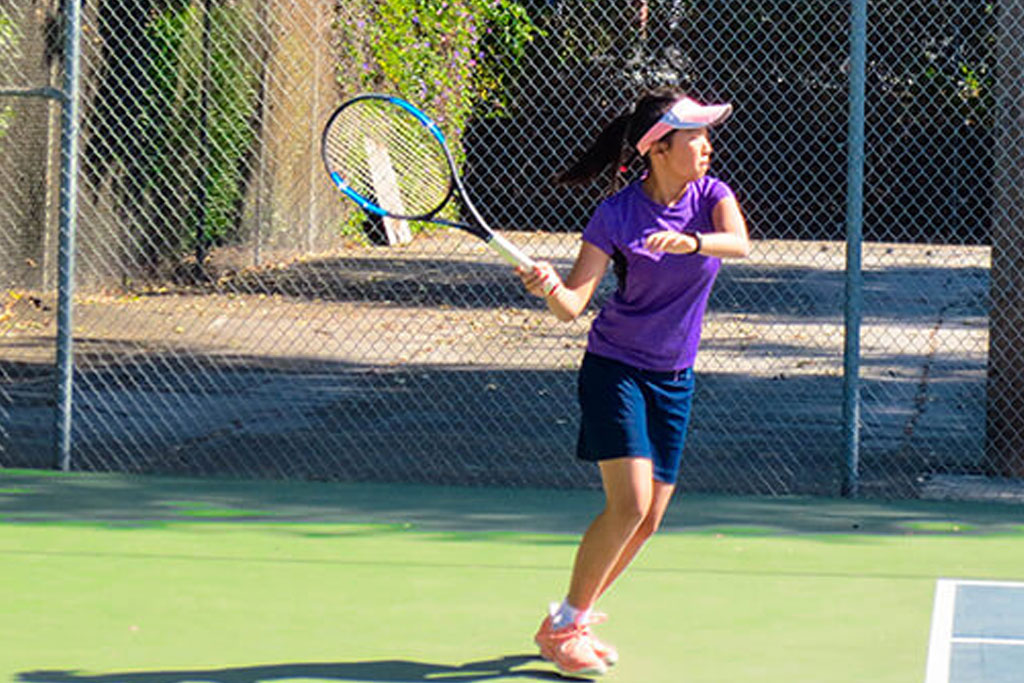
Even indoors, kids can continue refining their serve and return techniques. Focus on consistency, toss accuracy, and proper follow-through. For returns, practice reading spin and reacting quickly to different ball placements.
To keep these drills engaging, create mini-games with scoring systems. For instance, award points for hitting a target area on the opposite court or for returning three consecutive balls successfully. Gamifying serve and return practice adds excitement while reinforcing essential skills.
6. Incorporating Fun and Motivation
Winter training should never feel like a chore. Incorporating games, challenges, and friendly competitions helps keep children motivated and engaged. Obstacle courses, timed rallies, and point-based games add variety and excitement, ensuring kids remain enthusiastic about practicing indoors.
Additionally, celebrating small achievements—like improved accuracy, faster footwork, or longer rally streaks—boosts confidence and instills a sense of accomplishment. The combination of structure, challenge, and fun makes indoor training both effective and enjoyable.
Conclusion
Keeping young tennis players’ skills sharp during winter is entirely achievable with indoor drills. By focusing on mini-court rallies, target practice, footwork, volleying, and serve-return exercises, children can continue to develop technical proficiency, agility, and tactical awareness. The key is to blend skill-building with fun, ensuring that winter practice is exciting as it is effective. With consistent indoor training, kids enter the spring season confident, energized, and ready to excel on the court.