A Study Reveals the Unexpected Life Benefits of Playing Tennis
I. Introduction
Tennis is more than just serves, volleys, and backhands. From the bustling courts of New York to sunlit courts in Nairobi, the sport captivates not only for its athletic challenge but also for its ability to enrich lives. Beyond the squeak of shoes on hard courts and the satisfying thwack of a perfectly struck ball, tennis is a gateway to physical vitality, mental sharpness, and meaningful social connections. It’s a sport that doesn’t merely take—it gives back, often in ways that transcend the scoreboard.
II. Physical Benefits of Tennis
Tennis is a dynamic, full-body workout disguised as a game. Each sprint down the baseline and every explosive leap for an overhead smash contributes to cardiovascular health. Studies consistently show that regular tennis players enjoy stronger hearts, improved circulation, and higher endurance levels.
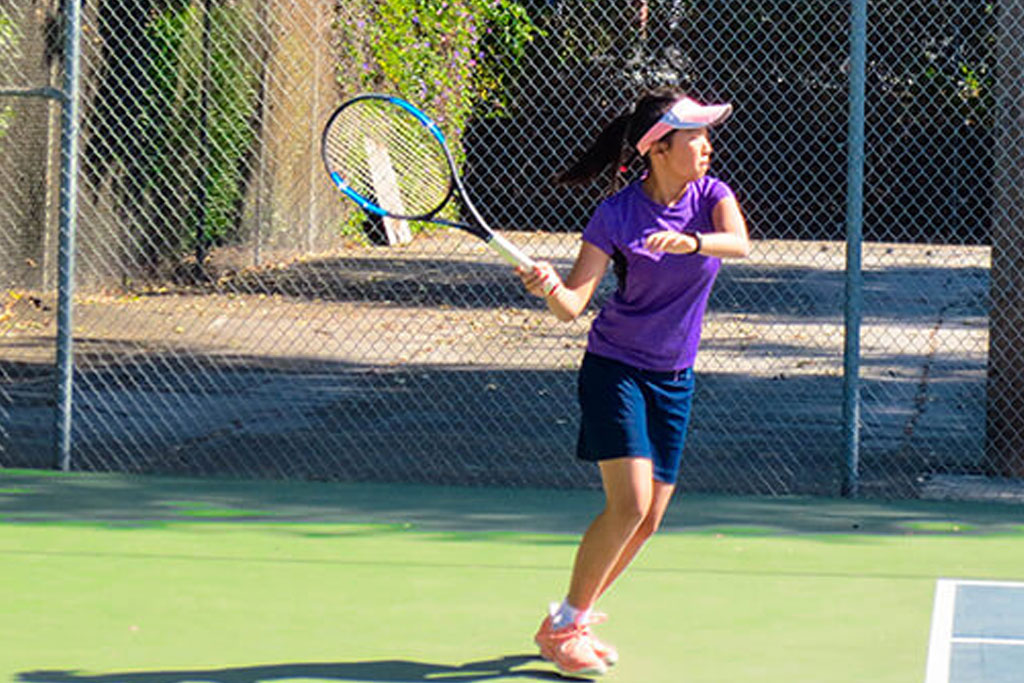
The sport also builds muscular strength and coordination. Alternating between forehand and backhand strokes engages the core, shoulders, and legs in a precise, rhythmic pattern. Footwork drills, split-step exercises, and agility routines sharpen reflexes, while repetitive swinging strengthens the upper body. Over time, these movements enhance balance, prevent injuries, and support long-term physical fitness.
Tennis adapts beautifully to all ages. From children learning their first rally to seniors maintaining an active lifestyle, the sport provides a versatile path to lifelong health and wellness.
III. Mental and Emotional Benefits
The tennis court is as much a mental arena as a physical one. Tennis demands focus, strategy, and split-second decision-making. Players anticipate opponents’ moves, select the optimal stroke, and execute it with precision—often within mere seconds. This cognitive engagement strengthens problem-solving skills, concentration, and mental agility.
Beyond mental sharpness, tennis offers significant emotional benefits. The rhythm of the game—serves, rallies, and pauses—creates a meditative flow that reduces stress. Many players describe a “court calm,” a state of mindfulness where external worries fade into the background.
Tennis also teaches resilience. Losses cultivate humility and reflection, while victories boost confidence. The ebb and flow of matches mirror life’s unpredictability, fostering emotional intelligence, perseverance, and a healthy approach to challenges.
IV. Social and Community Impact
Tennis uniquely unites people across cultures, ages, and backgrounds. Clubs, leagues, and community programs provide spaces for interaction and connection. Through doubles matches and mixed events, players develop teamwork, communication skills, and lasting friendships.
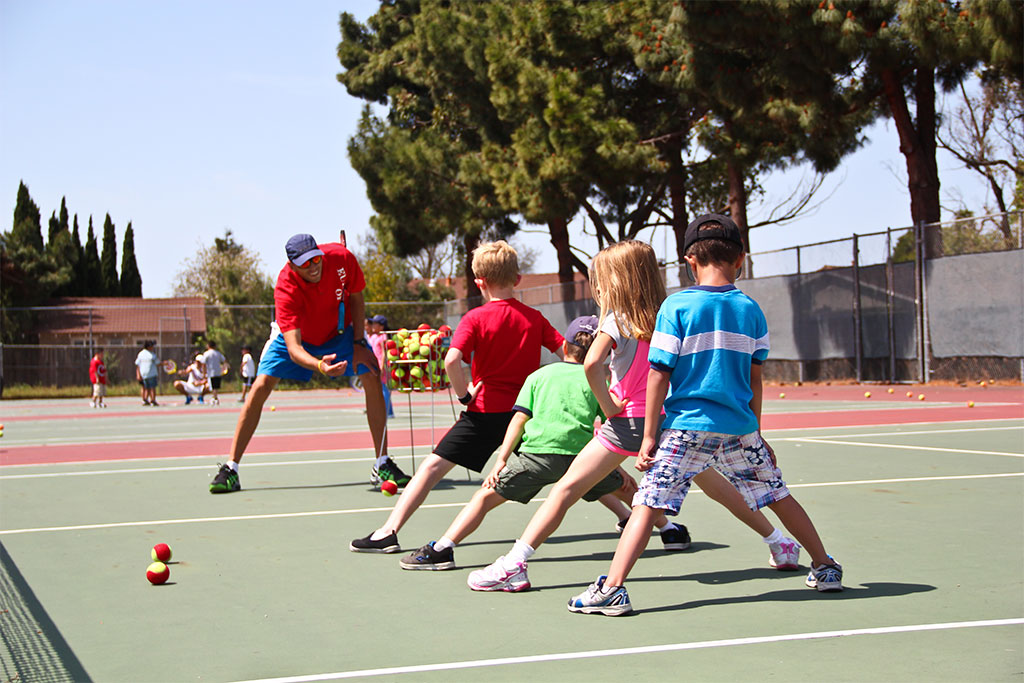
Youth development programs leverage tennis to inspire discipline, education, and social inclusion. Initiatives like Tennis for Kids introduce children to the sport, building self-confidence and social skills. In these contexts, tennis transcends recreation—it becomes a bridge to opportunity, personal growth, and community engagement.
V. Personal Growth and Life Skills
The virtues cultivated on the tennis court extend into everyday life. Discipline emerges naturally as players commit to regular practice and conditioning. Time management skills develop as individuals balance practice schedules with school, work, and family responsibilities.
Goal-setting becomes second nature: refining a backhand, improving serve accuracy, or climbing local league rankings translates into broader life ambitions. Persistence and patience are ingrained through repeated practice, moments of frustration, and eventual mastery. Confidence grows alongside skill development, while self-esteem strengthens as players recognize their ability to overcome challenges both on and off the court.
VI. Giving Back Beyond the Court
Tennis fosters a culture of giving back. From local clinics to international charity events, the sport supports causes that extend far beyond the court. Fundraisers for education, health, and social inclusion often use tennis as a platform to mobilize resources and raise awareness.
Professional players frequently mentor young athletes and promote wellness initiatives, demonstrating how tennis can impact lives meaningfully. The sport becomes not just a personal pursuit but a tool for societal benefit.
VII. Conclusion
Tennis is a game that stretches beyond the lines of the court. It strengthens the body, sharpens the mind, nurtures emotional resilience, and fosters community connections. The lessons it teaches—discipline, perseverance, and empathy—are as enduring as any serve or volley.
Engaging in tennis is an invitation to a lifestyle: a commitment to health, self-improvement, and giving back. For those seeking a sport that delivers more than just skill, tennis offers profound rewards—within oneself and in the world around. The court becomes a classroom, a sanctuary, and a stage for transformation.