I. Introduction
Tennis isn’t just a sport—it’s a mental and physical workout rolled into one. While many people see the game as a way to stay fit, hit a few balls, and compete, there’s a side of tennis that often goes unnoticed: its remarkable benefits for the brain.
Every serve, rally, and volley challenges more than your body; it challenges your mind. From the split-second decisions you make on the court to the focus required to track every ball, tennis keeps your brain active in ways few other sports can. Scientists and mental health experts alike are recognizing that tennis can improve memory, cognitive flexibility, and emotional resilience. In short, tennis isn’t just good for your body—it’s a brain booster, too.
II. Cognitive Agility: Quick Thinking on the Court
Tennis is a game of rapid decisions and constant adaptation. Each rally demands that players anticipate their opponent’s next move, choose the right shot, and execute it flawlessly—all in a matter of seconds. This type of rapid-fire thinking strengthens the brain’s executive functions, improving problem-solving skills and mental flexibility.
Strategizing on the court isn’t just about winning points; it’s about training your brain to process information quickly. Players must read subtle cues, predict outcomes, and adjust tactics instantly. This continuous mental engagement keeps your brain sharp, enhances reaction times, and boosts decision-making skills that extend well beyond the court.
III. Enhancing Memory and Focus
Memory plays a central role in tennis. Players must recall opponents’ tendencies, track ball positions, and anticipate future plays. This challenges short-term memory while improving working memory, enabling better split-second decisions.
Focus is equally critical. A single lapse in concentration can cost a point—or even a match. By requiring sustained attention over extended periods, tennis helps train your brain to remain alert and mentally present. Over time, these skills translate into improved concentration in everyday life, whether you’re at work, in school, or managing personal responsibilities.
IV. Emotional Intelligence and Mental Resilience
Tennis is more than a mental workout; it’s a lesson in emotional regulation. The game’s rhythm—alternating between high-intensity rallies and brief pauses—creates a natural mindfulness effect often called “court calm.” This meditative state reduces stress, lowers anxiety, and promotes mental clarity.
The sport also teaches resilience. Losses on the court require humility and reflection, while wins build confidence. Players learn to manage frustration, maintain composure under pressure, and develop emotional intelligence that benefits all areas of life. Tennis encourages a healthy relationship with challenge and competition, making it a tool for personal growth as much as physical fitness.
V. Social Interaction: A Cognitive and Emotional Boost
Tennis is social by nature, and these interactions further enhance brain health. Doubles matches require teamwork, communication, and strategic coordination. Working closely with a partner exercises social cognition and sharpens interpersonal skills.
Beyond individual games, tennis fosters cross-generational and cross-cultural interactions. Clubs, leagues, and community programs bring together people from diverse backgrounds, encouraging empathy, cooperation, and perspective-taking. Social engagement on the court isn’t just enjoyable—it’s a way to strengthen emotional intelligence and cognitive flexibility at the same time.
VI. Neuroplasticity and Lifelong Brain Benefits
Tennis is a powerful stimulator of neuroplasticity—the brain’s ability to form new neural connections and reorganize itself. The combination of precise motor skills, strategic thinking, and quick reactions engages multiple regions of the brain at once.
Playing tennis regularly has been linked to cognitive longevity, helping maintain memory, executive function, and mental sharpness as we age. Repetitive practice, strategic challenges, and dynamic movement patterns continuously reinforce neural pathways, ensuring your brain stays active and adaptable. Tennis is not just a fun pastime—it’s a long-term investment in cognitive health.
VII. Stress Relief and Mental Well-Being
Tennis offers more than cognitive benefits—it’s a natural stress reliever. Physical activity triggers the release of endorphins, improving mood and reducing stress. Combined with the focus required during a match, tennis provides a powerful mental reset.
The sport encourages a balance between effort and reflection. Players experience the highs of winning points, the focus of intense rallies, and the calm of downtime between games. This blend of mental engagement and relaxation supports overall mental well-being, making tennis a holistic workout for both mind and body.
VIII. Tennis for Kids and Young Adults: Building Brains Early
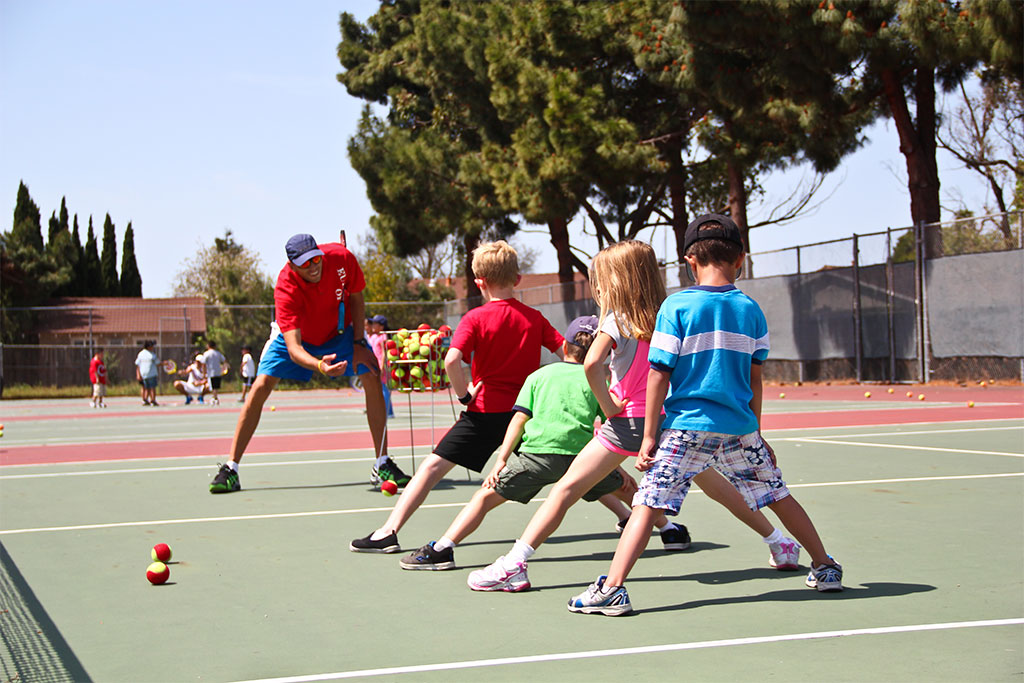
For children and teenagers, tennis is more than physical activity—it’s a tool for cognitive development. Youth programs emphasize hand-eye coordination, pattern recognition, and strategic thinking, all of which support early brain development.
Regular practice fosters discipline, patience, and concentration from a young age. The social aspects of the game also help children develop communication skills, empathy, and teamwork. By introducing tennis early, parents and educators can provide a foundation for both physical and cognitive growth.
IX. Conclusion
Tennis is a full-spectrum workout for both body and brain. It enhances memory, boosts focus, sharpens decision-making, and cultivates emotional intelligence. The social and strategic aspects of the sport further strengthen cognitive flexibility and empathy. Regular play even supports neuroplasticity and long-term brain health, making tennis an investment in both mental and physical well-being.