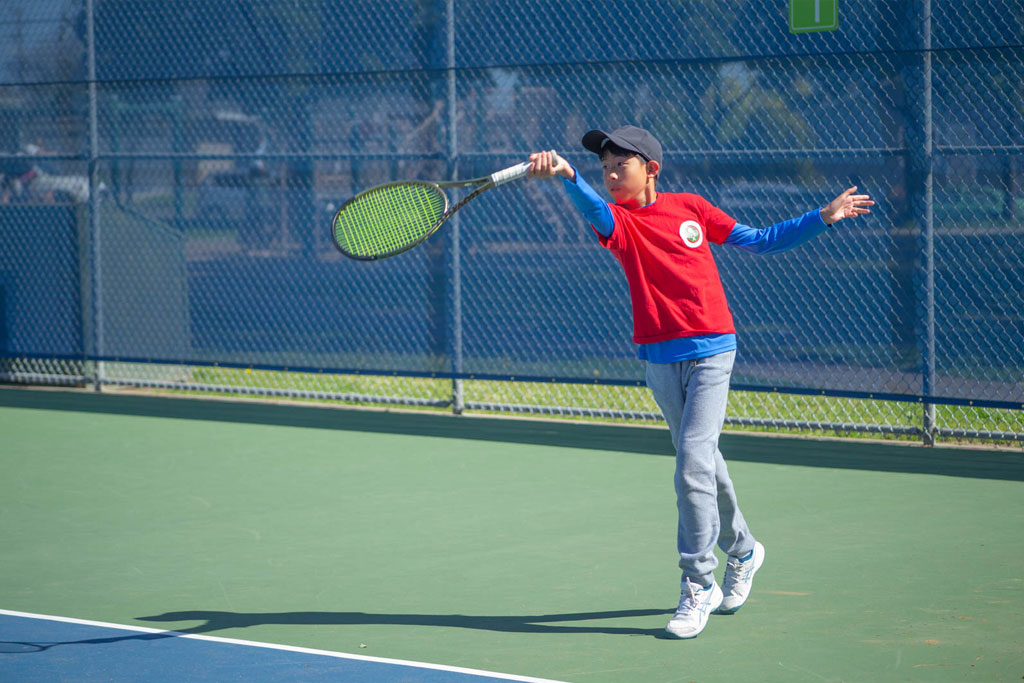
Tennis can be more than entertainment for kids. Kids can watch tournaments, match highlights, interviews, and training clips online. Those moments can become tennis lessons.
Professional players demonstrate skills that are difficult to explain with words alone. Their footwork, decisions, preparation, and sportsmanship reveal strong tennis habits. They can observe simple principles and apply them to their own games.
Here are five lessons kids can learn from pros.
1. Stay Focused After Mistakes
Professional tennis is filled with missed shots and momentum swings. Even the best players make errors. What matters is the response.
Kids can observe what professionals do after losing a point. Many take a breath, adjust their strings, walk behind the baseline, or follow a familiar pre-point routine to reset before the next rally.
Young players can learn to focus on the next point.
This gives kids an example of resilience. Instead of becoming frustrated after a missed forehand or double fault, they can learn to reset and concentrate on what comes next.
The lesson is clear: one bad point does not decide an entire match. The next point is an opportunity.
2. Learn That Tennis Is About Strategy, Not Just Power
Powerful serves and forehands are exciting, but professional tennis involves more than power. Players use placement, patience, spin, court position, and timing to construct points.
Kids can watch what happens before the winning shot. A professional might hit a deep cross-court ball to move an opponent, then attack the open court. Another player may choose a safer shot when the situation does not call for risk.
This introduces children to point construction and tactical thinking. They can ask: Where is the opponent standing? Which area is open? Should the player attack or defend?
These questions show that tennis is both physical and strategic. The goal is to make smarter decisions.
Understanding strategy can also help children become more confident players. Rather than simply trying to hit every ball harder, they can begin thinking about why they are hitting a particular shot.
That shift can make tennis more engaging and purposeful.
3. Watch the Footwork, Not Just the Ball
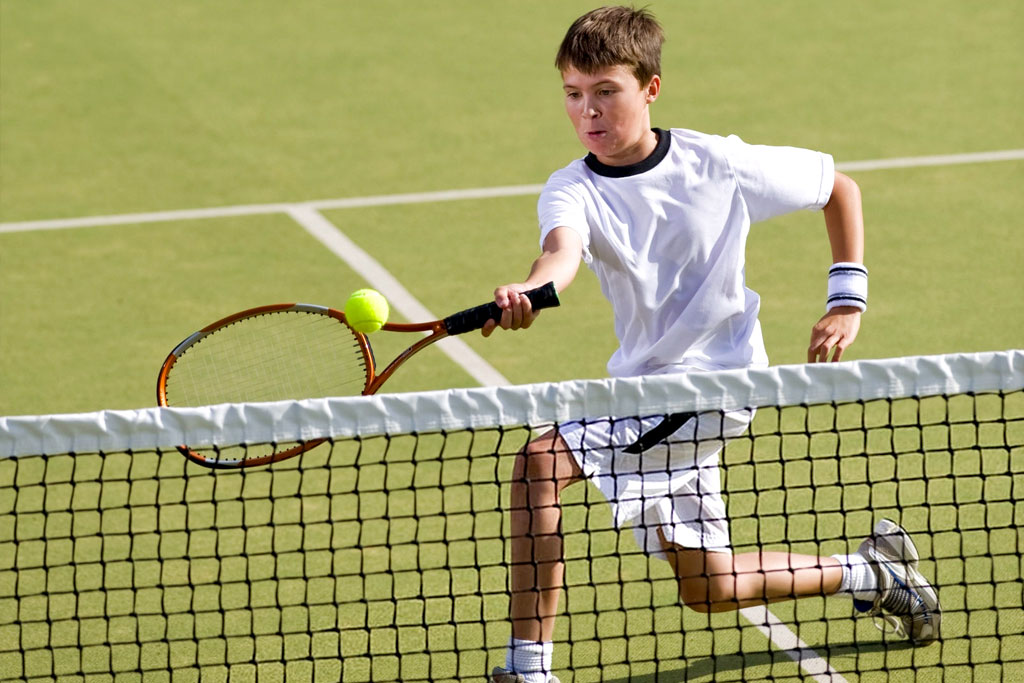
When kids watch tennis, they naturally follow the ball. However, professional footwork may be one of the most valuable things to observe.
During rallies, elite players constantly adjust their position. They recover after each shot, use quick adjustment steps, split-step before the opponent hits, and move efficiently toward the ball. Movement helps them arrive balanced.
Understanding this connection can make footwork drills more meaningful. Instead of seeing movement as a repetitive exercise, children can recognize why it matters.
Parents and coaches can turn matches into an observation activity. Ask kids to watch several points while focusing on the player’s feet. Where did the player recover? Did they move forward, backward, or sideways? How did they prepare before the opponent hit?
This builds body awareness and shows how positioning affects shots.
In tennis, getting to the ball in good position is often as important as knowing which shot to hit. Better movement can provide more time and balance, giving young players a stronger foundation for developing their technique.
4. Understand That Confidence Comes From Preparation
Professionals often look calm under pressure. That confidence is supported by preparation.
Kids can observe how professionals warm up, organize equipment, practice specific shots, study opponents, and follow routines before competition. These habits show that consistent preparation can build confidence.
Players can learn the same principle. Arriving on time, checking equipment, warming up, and practicing regularly can create readiness.
Mental preparation matters, too. Many professionals use routines before serving or returning. A child can develop a routine of taking a breath, bouncing the ball, and choosing one clear goal for the next point.
Preparation creates familiarity, making competition more manageable.
This is an important lesson for junior tennis players because confidence does not have to mean feeling completely fearless. A young player may still feel nervous before a match. Having a reliable routine can help turn those nerves into focused energy.
5. Learn the Importance of Sportsmanship
Perhaps the most valuable lesson kids can learn from tennis has nothing to do with technique. It is sportsmanship.
Professional matches show players competing intensely while respecting opponents, officials, coaches, ball kids, and spectators. Kids can watch how players shake hands, acknowledge great shots, accept difficult calls, and handle wins and losses.
Winning is exciting; losing can be disappointing. Both are part of tennis.
Young players can celebrate respectfully and accept losses gracefully. Parents can reinforce this lesson by discussing behavior after a match instead of focusing only on the final score.
Questions about difficult calls and post-match behavior can help children notice character.
Good sportsmanship extends beyond the court, influencing school, friendships, teamwork, and competition. It teaches children that being a good athlete involves more than the scoreboard.
How to Turn Pro Tennis Into a Learning Activity
Watching professional tennis becomes more useful when kids have something specific to observe. Instead of asking who won, give them one skill or habit to identify.
Try this routine:
- Choose a match or short highlight.
- Pick one focus, such as footwork or strategy.
- Watch several points together.
- Ask the child what they noticed.
- Connect the observation to their tennis practice.
This turns screen time into active learning.
Kids should not be expected to replicate advanced techniques. Their skills and understanding are still developing. The purpose is inspiration and gradual improvement.
Parents can also make the activity interactive. Ask children to predict where a player might hit next or explain why a player moved to a certain area of the court. These conversations encourage curiosity and help young athletes become more observant.
These lessons can help children enjoy tennis while building habits that support lifelong learning.
Final Thoughts
Tennis can serve as an informal classroom for young players. Every rally can reveal something about focus, strategy, movement, or character.
Kids now have easy access to elite tennis. With guidance, matches can help young players understand how competitors think, move, prepare, and respond to challenges.
When a child watches professional tennis, encourage them to look beyond the score. Watch the feet. Notice the decisions. Pay attention to reactions after mistakes and the way players treat their opponents.
Those observations can become lessons that young tennis players carry beyond the court.