Summer break provides children with a much-needed pause from the classroom, but it also creates an excellent opportunity for personal growth, skill development, and physical activity. While many families spend the summer looking for productive ways to keep their children engaged, junior tennis training stands out as one of the most rewarding options available.
Tennis is more than just a sport. It is a lifelong activity that helps children develop athletic skills, build confidence, improve fitness, and learn valuable life lessons. During the summer months, young athletes have additional time to focus on their development without the distractions of homework, exams, and busy school schedules. As a result, summer tennis programs, youth tennis camps, and junior tennis lessons have become increasingly popular among families looking to combine fun, fitness, and learning.
Whether a child is picking up a racket for the first time or already participating in competitive matches, junior tennis training during summer break offers benefits that can positively impact both their athletic journey and their overall development.
Faster Skill Development Through Consistent Practice
One of the greatest advantages of summer tennis training is the opportunity for accelerated skill development. During the school year, many young athletes are limited by academic commitments and extracurricular activities. Summer provides the freedom to spend more time on the court and focus on improving tennis fundamentals.
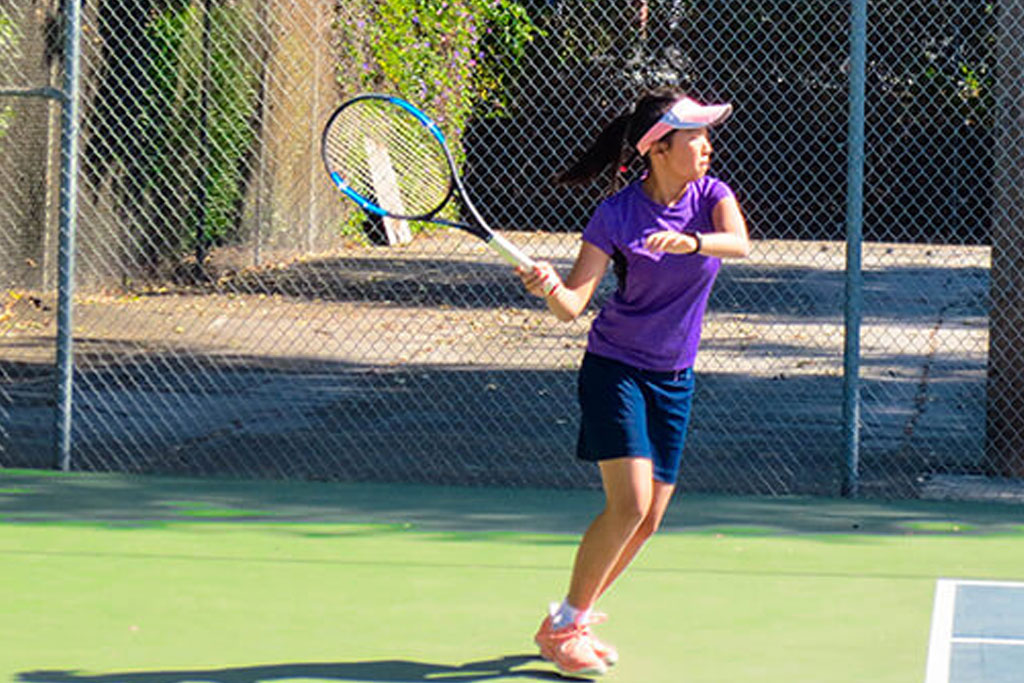
Consistent practice allows players to strengthen key skills such as serving, forehands, backhands, volleys, and footwork. Repetition is essential in tennis because it helps develop muscle memory and improves consistency during matches. The more frequently children practice, the more natural these movements become.
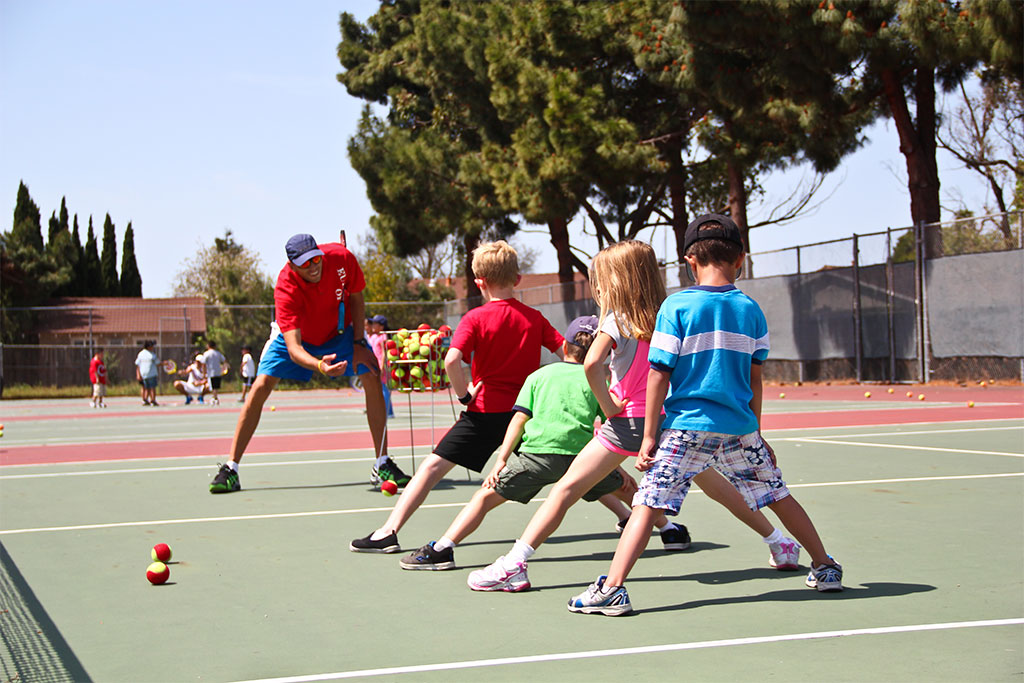
Summer tennis camps and junior training programs also provide structured coaching environments where players receive personalized instruction. Coaches can identify strengths, address weaknesses, and help athletes make meaningful improvements in a relatively short period of time. Many young players return to school with stronger technical skills and a greater understanding of the game than they had at the beginning of summer.
Improved Physical Fitness and Athletic Performance
Tennis is one of the most comprehensive sports for developing overall fitness. It combines cardiovascular exercise, strength, agility, coordination, balance, and flexibility into a single activity. For children, this creates an enjoyable way to stay active while improving their physical health.
During summer tennis training, players spend hours moving across the court, reacting to shots, and engaging in dynamic drills. These activities strengthen muscles, improve endurance, and enhance athletic performance. The constant movement required in tennis helps develop quick reflexes and better coordination, skills that are valuable both on and off the court.
In addition to improving physical fitness, tennis encourages healthy lifestyle habits. Children who participate in regular sports activities are more likely to maintain active routines, make healthier choices, and develop a positive relationship with exercise. These habits can contribute to long-term health and wellness throughout their lives.
Building Confidence and Mental Toughness
Confidence is one of the most important qualities young athletes can develop, and tennis provides countless opportunities to strengthen it. Every new skill learned, every challenge overcome, and every goal achieved helps build a child’s belief in their abilities.
Summer tennis training places players in situations where they must learn, adapt, and improve. While success is rewarding, setbacks are equally valuable learning experiences. Tennis teaches children that mistakes are part of the growth process and that improvement comes through persistence and effort.
Mental toughness is another key benefit of junior tennis training. During matches, players must stay focused, manage emotions, and make quick decisions under pressure. These experiences help children develop resilience and composure. Over time, they learn how to remain positive during difficult moments and continue working toward their goals.
The confidence and mental strength gained through tennis often extend into academics, social situations, and other aspects of life.
Valuable Life Skills Learned Through Tennis
One reason parents value junior tennis programs is the wide range of life skills children develop through the sport. Tennis teaches lessons that go far beyond winning matches or improving rankings.
Discipline is one of the most important skills players learn. Success in tennis requires consistent effort, regular practice, and dedication. Young athletes quickly realize that improvement does not happen overnight. Instead, it comes from showing up, working hard, and staying committed.
Tennis also encourages responsibility. Players must manage their equipment, prepare for lessons, and take ownership of their development. These experiences help build independence and accountability.
In addition, tennis strengthens focus, patience, and decision-making. Players must think strategically, anticipate their opponent’s actions, and adjust their game plans throughout a match. These cognitive skills can support success in school and everyday life.
Social Benefits of Summer Tennis Programs
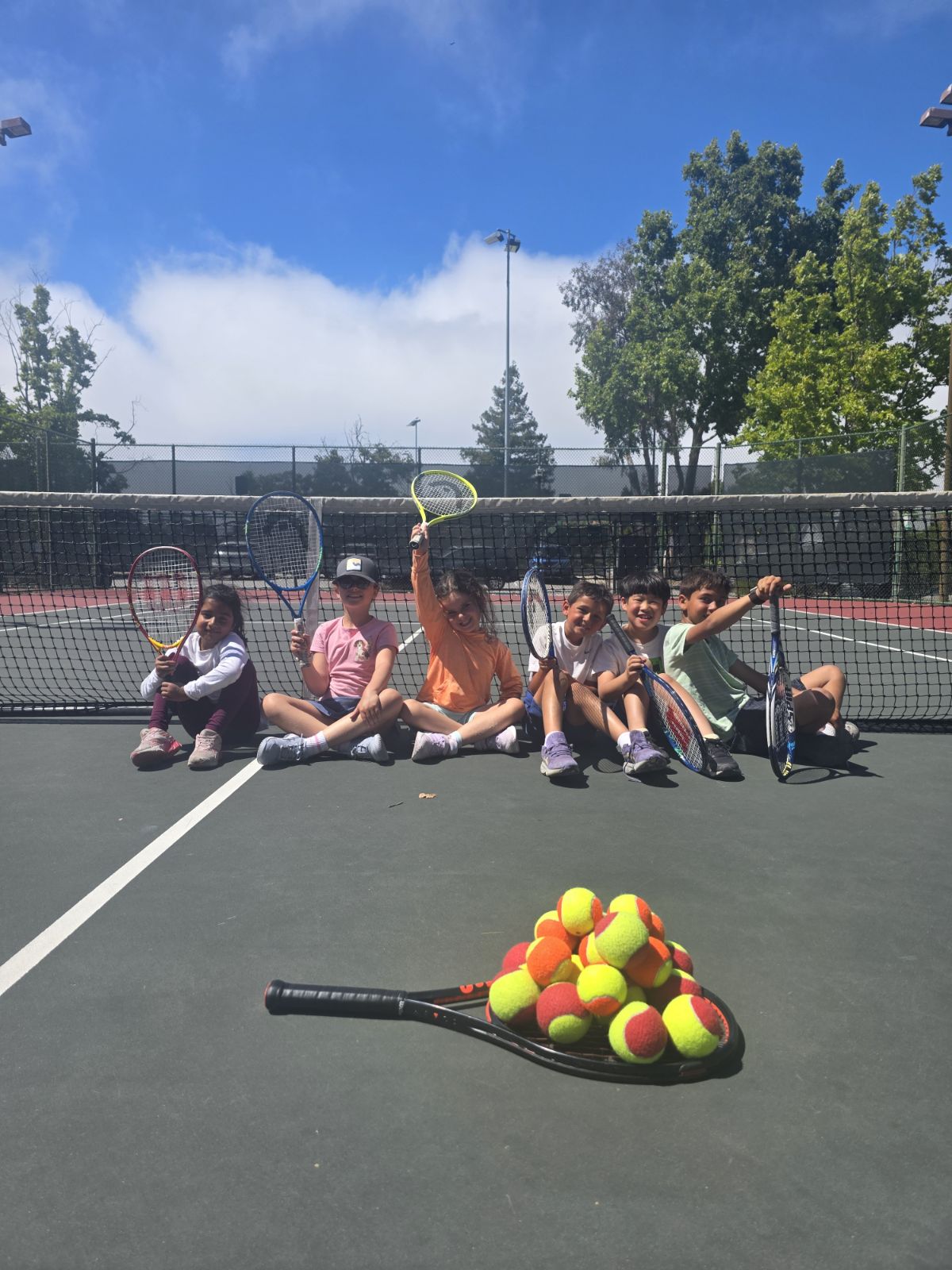
Summer tennis programs provide an excellent environment for children to build friendships and develop social skills. Unlike some individual activities, tennis offers opportunities for interaction through group lessons, team drills, and friendly competitions.
Children often form strong connections with peers who share similar interests and goals. These friendships create a supportive environment where players encourage one another and celebrate each other’s achievements.
Sportsmanship is another important social benefit. Tennis teaches respect for opponents, coaches, officials, and teammates. Players learn how to win graciously and lose respectfully while maintaining a positive attitude.
Communication skills also improve as children interact with coaches and fellow players. These experiences help them become more confident, cooperative, and socially engaged.
Preparing for Future Success in Tennis
For children who aspire to compete at higher levels, summer tennis training provides a valuable foundation for future success. Additional court time allows players to refine their skills, gain match experience, and improve their overall performance.
Junior tennis programs often introduce advanced techniques, strategic concepts, and competitive opportunities that help athletes continue progressing. The consistent training received during the summer months can provide a significant advantage during the upcoming school year and tournament season.
Even for children who do not pursue competitive tennis, the lessons learned through training remain beneficial. The discipline, perseverance, and confidence developed through tennis can support success in many different areas of life.
Why Summer Tennis Is a Smart Investment for Families
Parents are often searching for activities that combine education, exercise, and enjoyment. Junior tennis training delivers all three. It provides structure during summer break while keeping children physically active and mentally engaged.
Instead of spending excessive time on electronic devices, children participating in tennis programs are developing skills, building friendships, and creating healthy habits. The benefits extend far beyond the tennis court and contribute to overall personal development.
For many families, summer tennis programs represent an investment not only in athletic growth but also in character development and lifelong wellness.
Conclusion
Junior tennis training during summer break offers a unique combination of physical, mental, social, and personal benefits. From improving tennis skills and athletic performance to building confidence, discipline, and resilience, the rewards of summer tennis extend well beyond the sport itself.
With additional time to practice, learn, and grow, young athletes can make significant progress while enjoying an active and productive summer. Whether a child is new to tennis or looking to advance their game, summer training provides an ideal environment for development.
By participating in junior tennis programs during summer break, children gain valuable experiences, lifelong skills, and a strong foundation for future success both on and off the court.