Introduction
When summer arrives, parents begin searching for activities that will keep their children active, engaged, and learning outside the classroom. While there are countless sports and camps available, tennis continues to be one of the most popular choices for families. It combines physical activity, mental development, social interaction, and personal growth into one rewarding experience.
Unlike many seasonal activities, tennis offers benefits that extend far beyond summer break. Through junior tennis programs, youth tennis camps, and tennis lessons for kids, children develop important life skills while staying healthy and having fun. Parents appreciate that tennis not only keeps their kids active but also teaches discipline, confidence, and perseverance.
Whether a child is a beginner picking up a racket for the first time or an experienced player looking to improve, summer provides the perfect opportunity to grow both on and off the court. It is no surprise that more families are choosing tennis as their preferred summer sport.
Tennis Keeps Kids Active and Healthy
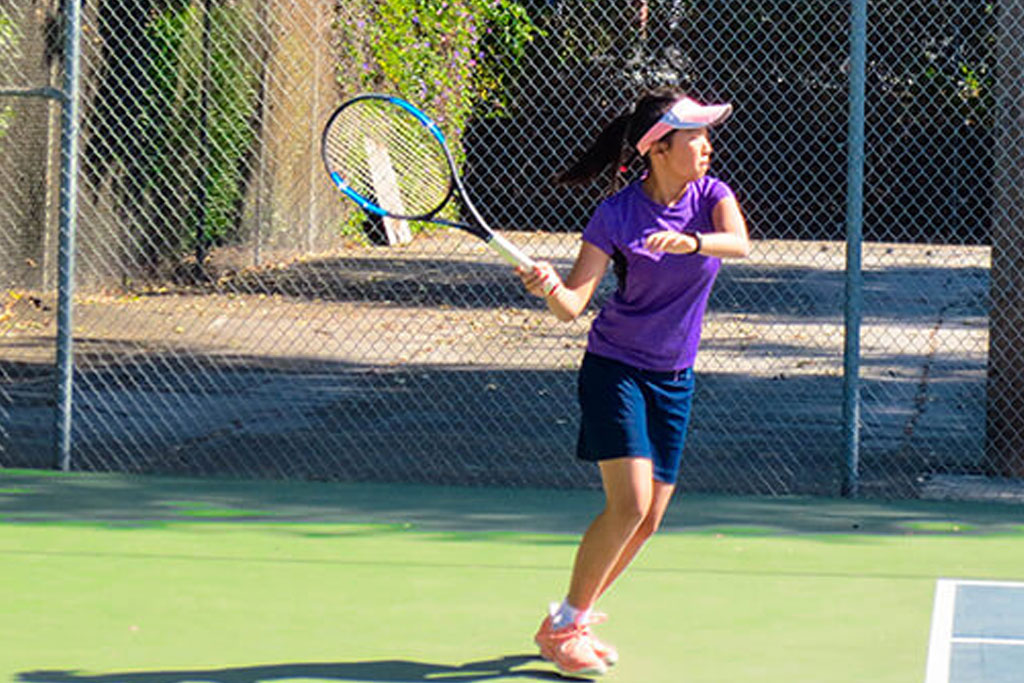
One of the biggest reasons parents choose tennis is its ability to keep children physically active during summer break. With school out and routines disrupted, many kids spend more time indoors watching television, playing video games, or using electronic devices. Tennis offers a healthy alternative that encourages movement and exercise.
Tennis is a full-body sport that develops strength, coordination, agility, balance, and endurance. Every practice session involves running, changing directions, reacting quickly, and maintaining focus. These movements help improve cardiovascular health while strengthening muscles throughout the body.
In addition to physical fitness, tennis promotes healthy habits that can last a lifetime. Children who participate in sports are more likely to stay active as they grow older. They learn the importance of exercise, hydration, and maintaining a healthy lifestyle. These habits contribute to long-term wellness and overall health.
Summer tennis programs also provide an opportunity for children to spend time outdoors. Fresh air, sunshine, and physical activity create a positive environment that supports both physical and emotional well-being.
Tennis Builds Confidence and Independence
Confidence is one of the most valuable gifts parents can give their children, and tennis is an excellent way to help develop it. Every new skill learned, every rally completed, and every challenge overcome contributes to a stronger sense of self-belief.
Unlike some team sports, tennis places responsibility directly on the player. Children learn that their effort, preparation, and attitude have a direct impact on their performance. This teaches accountability while helping young athletes understand the connection between hard work and success.
As players improve their serves, forehands, backhands, and match-play strategies, they gain confidence in their abilities. Small victories often lead to significant personal growth. Whether it is successfully serving over the net for the first time or winning a practice match, these accomplishments create a sense of pride and achievement.
Tennis also encourages independence. Players learn how to solve problems, make decisions under pressure, and adapt their strategies during competition. These experiences help children become more self-reliant and resilient in everyday life.
Tennis Teaches Valuable Life Skills
Many parents view tennis as much more than a sport. It serves as a powerful tool for teaching life lessons that children can carry into adulthood.
One of the most important lessons tennis teaches is discipline. Improvement does not happen overnight. Children quickly learn that consistent practice, patience, and effort are necessary for success. This understanding often translates into better study habits and stronger work ethics in school.
Tennis also teaches perseverance. Every player experiences setbacks, missed shots, and difficult matches. Learning how to overcome challenges and keep moving forward builds resilience and mental toughness.
Goal setting is another valuable skill developed through tennis. Coaches often encourage players to focus on specific objectives, whether improving a serve, winning more points, or enhancing footwork. Learning how to set and achieve goals helps children develop confidence and motivation.
In addition, tennis improves focus and decision-making. Players must constantly evaluate situations, anticipate opponents’ moves, and make quick adjustments. These skills support critical thinking and problem-solving in many areas of life.
Summer Tennis Programs Provide Structure
One challenge many families face during summer break is maintaining a healthy routine. Without the structure of school, children can become bored or spend excessive time on screens. Summer tennis programs offer a productive solution.
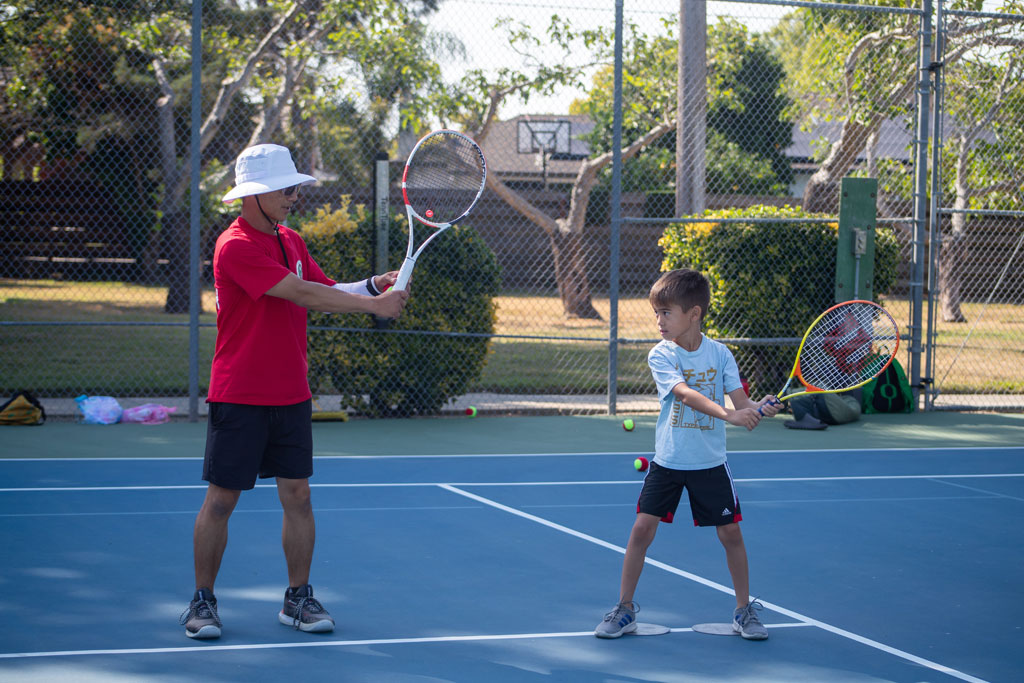
Organized tennis camps and youth tennis lessons provide consistency and routine. Children know when practices begin, what goals they are working toward, and how to stay engaged throughout the summer months.
Structured activities help children develop responsibility and time-management skills. They learn the importance of showing up prepared, listening to coaches, and following instructions. These habits contribute to personal growth and maturity.
Parents also appreciate the peace of mind that comes with knowing their children are spending time in a safe, supervised, and positive environment. Tennis programs provide opportunities for learning, growth, and enjoyment while keeping children productive throughout the summer.
Tennis Encourages Social Growth and Sportsmanship
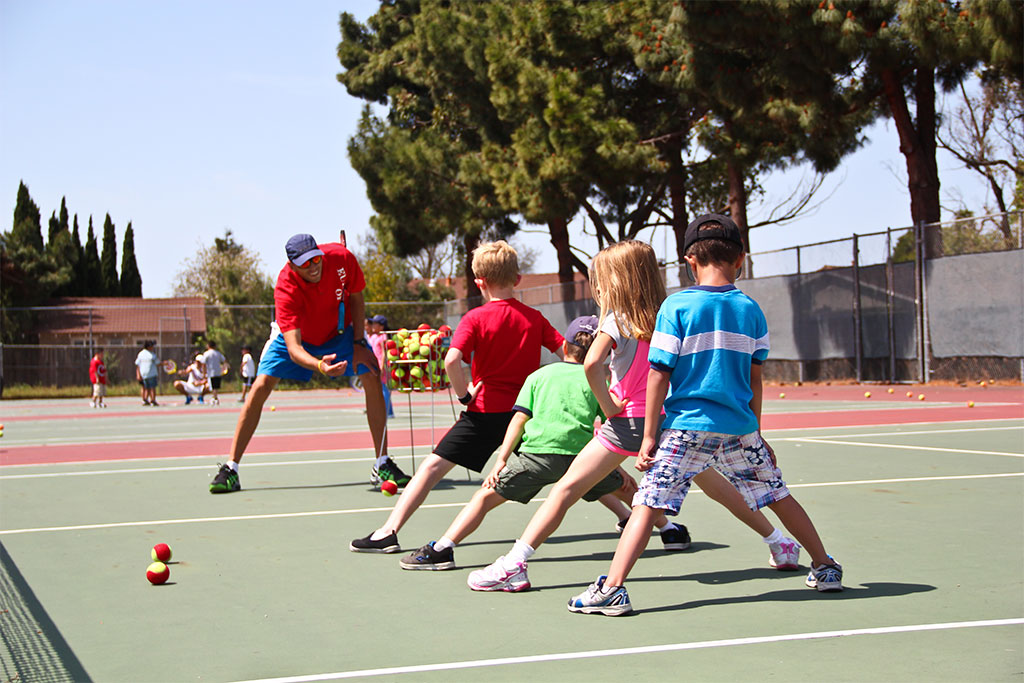
Although tennis is often considered an individual sport, it offers numerous opportunities for social interaction. Summer tennis camps bring together children with similar interests, creating an environment where friendships can flourish.
Through group drills, partner activities, and friendly competitions, young players learn how to communicate effectively and work alongside others. These experiences help build confidence in social settings and encourage positive relationships.
Sportsmanship is another important lesson taught through tennis. Players learn to respect opponents, coaches, and officials regardless of the outcome of a match. They discover how to win graciously and lose respectfully.
These experiences help children develop emotional intelligence and interpersonal skills that can benefit them throughout their lives. The friendships and memories created during summer tennis programs often become some of the most meaningful parts of the experience.
Tennis Supports Long-Term Athletic Development
Parents also choose tennis because it provides benefits that extend well beyond one season. The skills developed through tennis can help children succeed in other sports and physical activities.
Hand-eye coordination, balance, agility, footwork, and reaction time are fundamental athletic skills that transfer to many sports. Tennis helps build a strong athletic foundation that can support future participation in soccer, basketball, volleyball, and other activities.
For children who develop a passion for the game, tennis offers opportunities for continued growth through junior tournaments, school teams, and advanced training programs. Unlike many sports that become difficult to play later in life, tennis can be enjoyed recreationally for decades.
This lifelong appeal makes tennis one of the most valuable sports a child can learn during their formative years.
Conclusion
Parents choose tennis as the perfect summer sport for kids because it delivers far more than physical exercise. It promotes healthy lifestyles, builds confidence, teaches discipline, and encourages social development. Through junior tennis programs, summer tennis camps, and youth tennis lessons, children gain valuable skills that extend far beyond the court.
Tennis provides a unique combination of fitness, fun, and personal growth. It keeps kids active during summer break while helping them develop resilience, responsibility, and self-confidence. These qualities can positively influence every aspect of a child’s life.
As families look for meaningful summer activities, tennis continues to stand out as a smart investment in a child’s future. The lessons learned, friendships formed, and memories created through summer tennis often last a lifetime, making it one of the most rewarding experiences a young athlete can have.