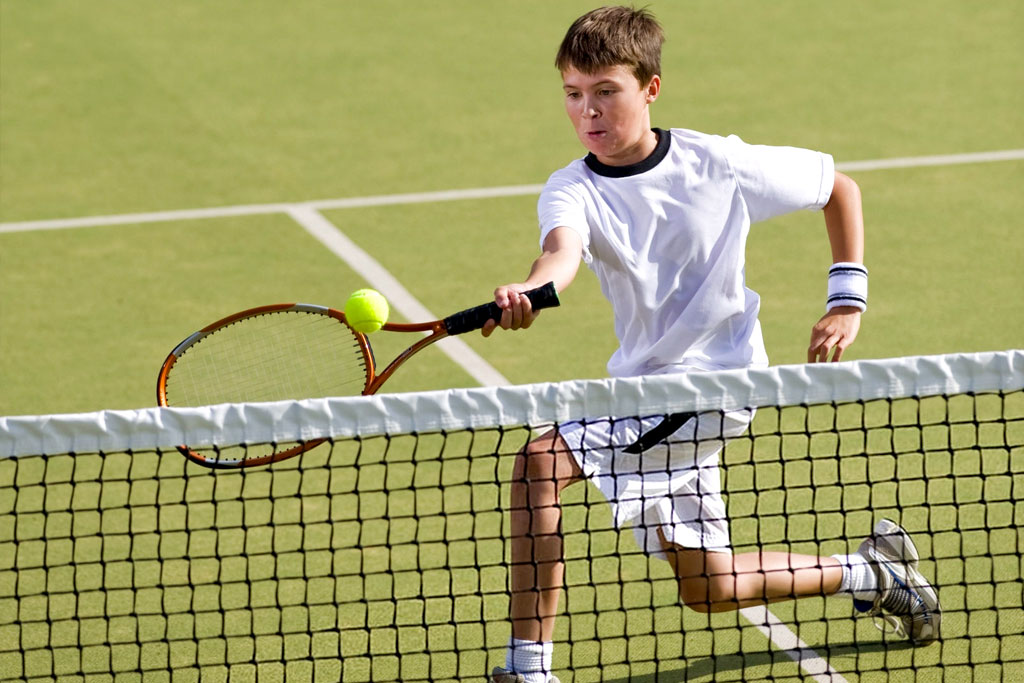
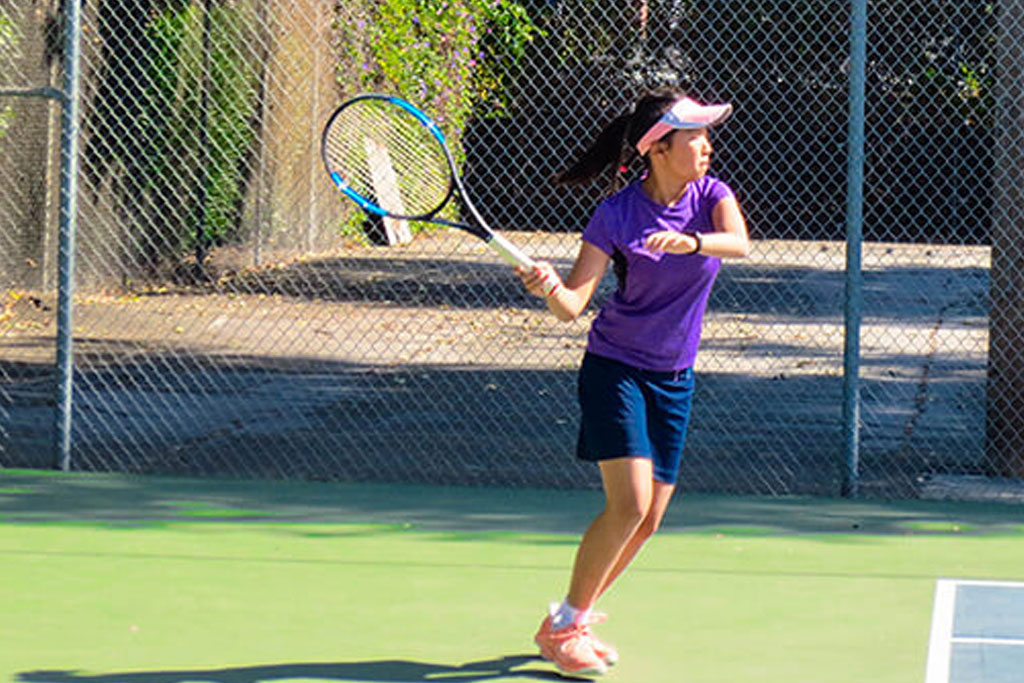
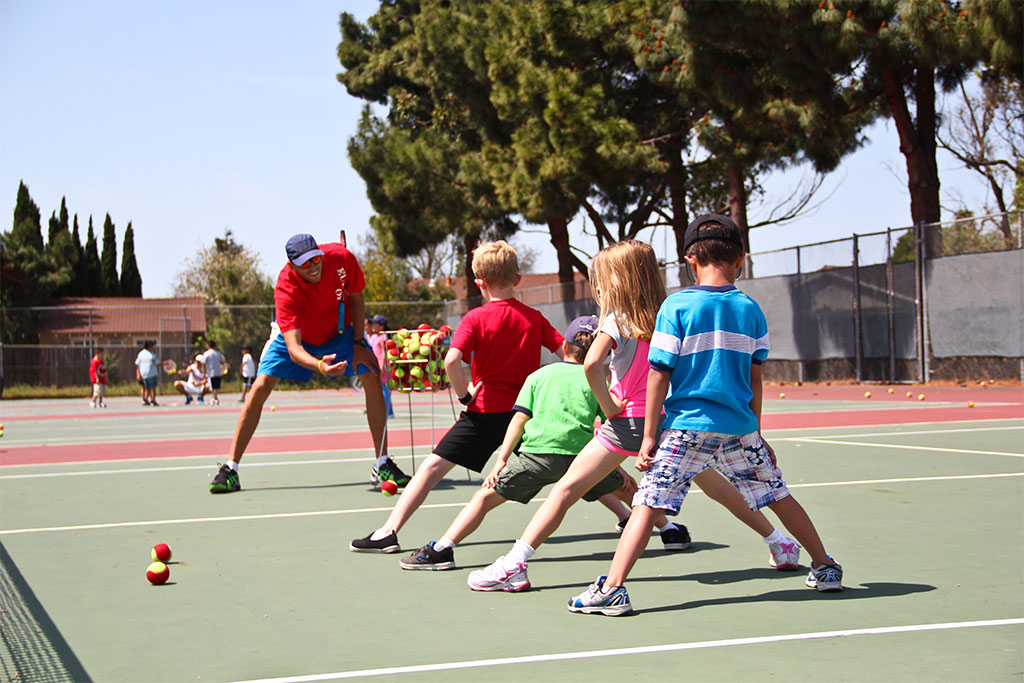
Professional tennis players do more than compete for championship titles. Through their dedication, sportsmanship, and perseverance, they inspire young athletes to dream big, work hard, and discover their potential. For children learning tennis, watching their favorite players can turn a simple interest in the sport into a lasting passion.
From practicing essential skills to overcoming challenging matches, professional athletes demonstrate valuable lessons that extend beyond the tennis court. Parents and coaches can use these examples to encourage junior players to develop their abilities, build confidence, and enjoy the learning process.
1. Professional Tennis Players Encourage Young Athletes to Dream Big
Watching professional tennis matches can motivate children to imagine what they might accomplish through practice and determination. Seeing athletes compete at major tournaments helps junior players understand the possibilities that come with developing their skills.
Children do not need to aspire to become professional players to benefit from these examples. Setting personal goals, learning a new technique, or improving consistency during rallies can be just as meaningful.
Parents can encourage this motivation by asking children what they admire about their favorite players and helping them establish realistic, age-appropriate tennis goals.
2. Hard Work and Discipline Build Strong Foundations
Professional tennis players spend countless hours refining their techniques, improving their fitness, and preparing for competition. Their success reflects the importance of discipline and consistent effort.
Junior athletes can apply these lessons to their own training. Regular attendance, focused practice, and a willingness to learn help children gradually improve their performance.
For example, a young player who struggles with serving may feel frustrated after several unsuccessful attempts. However, practicing proper technique with a coach can help the child develop greater control and confidence over time.
The goal is not perfection. It is progress.
Parents and coaches can reinforce this mindset by celebrating effort, patience, and improvement instead of focusing exclusively on match results.
3. Resilience Teaches Children How to Overcome Challenges
Tennis involves winning and losing, making mistakes, and adapting to unexpected situations. Even the world’s best players experience difficult matches and disappointing results.
Professional athletes demonstrate that setbacks do not have to determine future success. Instead, challenges can become opportunities to learn, adjust strategies, and return to practice with renewed determination.
Junior players can develop the same resilience by learning to respond positively after losing a point or making an unforced error.
Rather than criticizing themselves, children can ask what they might do differently next time. A coach can help them identify practical adjustments, such as improving footwork, choosing safer shots, or maintaining focus during pressure-filled moments.
These lessons are valuable beyond tennis. Resilience can help children approach academic challenges, friendships, and other everyday experiences with greater confidence.
4. Sportsmanship and Respect Matter On and Off the Court
Professional tennis provides many examples of sportsmanship, including respecting opponents, following the rules, and acknowledging strong play.
Junior athletes can learn that being a good player involves more than hitting powerful shots or winning tournaments. It also means treating others fairly and demonstrating respect, even when emotions run high.
Children can practice these values by congratulating opponents, listening to their coaches, sharing equipment, and accepting decisions calmly.
Parents play an important role in reinforcing these behaviors. Praising respectful conduct and effort helps children understand that character matters just as much as athletic performance.
When young athletes develop good sportsmanship, they contribute to a more welcoming and enjoyable tennis environment for everyone.
5. Confidence Grows Through Practice and Preparation
Watching professional players perform with confidence can inspire children to believe in their own abilities. However, confidence is usually built through preparation, experience, and gradual improvement.
Junior athletes may initially feel nervous about serving, joining a new class, or playing against unfamiliar opponents. Regular practice can help them become more comfortable with these situations.
Coaches can support this development by introducing achievable challenges and providing constructive feedback. As children master new skills, they gain evidence of their progress and become more willing to try unfamiliar techniques.
Parents can also encourage confidence by recognizing small achievements. Completing a rally, improving footwork, or showing determination during a difficult drill deserves acknowledgment.
Over time, these experiences help children develop a healthier relationship with competition and personal growth.
6. Professional Athletes Show the Importance of Physical and Mental Fitness
Tennis requires agility, balance, endurance, coordination, and quick decision-making. Professional players demonstrate how physical preparation supports performance throughout demanding matches.
Junior athletes can begin developing these qualities through age-appropriate exercises, structured tennis drills, and regular movement. Activities that improve balance, coordination, and reaction time can help children become more comfortable on the court.
Mental fitness is equally important. Players must manage pressure, remain attentive, and adapt their strategies when circumstances change.
Children can practice these skills by concentrating during drills, following a game plan, and taking a moment to reset after mistakes.
Adequate sleep, nutritious meals, hydration, and rest also support healthy athletic development. For young players, training should be balanced with school, family activities, and free time to prevent unnecessary pressure or burnout.
7. Parents and Coaches Can Turn Inspiration Into Action
Watching professional tennis is an excellent way to introduce children to the sport, but inspiration becomes more meaningful when paired with practical opportunities to learn.
Parents can watch matches with their children and discuss the players’ strategies, movement, and sportsmanship. Simple questions, such as why a player moved toward the net or changed their shot selection, can help children become more observant.
Coaches can then connect these observations to age-appropriate drills and activities. For example, a child inspired by a professional player’s serve can practice the basic serving motion before gradually developing more advanced techniques.
It is also important to keep expectations realistic. Professional athletes have years of training and experience, so children should not feel pressured to reproduce their performance immediately.
Every junior athlete develops at a different pace. Encouragement, patient instruction, and enjoyable practice help children stay motivated while discovering their individual strengths.
Conclusion: Inspiring a Lifelong Love of Tennis
Professional tennis players inspire the next generation through their dedication, resilience, sportsmanship, and commitment to improvement. Their achievements show young athletes that progress comes from consistent effort, learning from mistakes, and respecting others.
For junior players, the most important lesson is not that everyone must become a champion. It is that tennis offers opportunities to build confidence, develop healthy habits, and learn valuable life skills.
At Euro School of Tennis, children can develop their tennis fundamentals in a supportive learning environment while discovering the enjoyment of the game. With guidance from experienced coaches, regular practice, and encouragement from their families, young athletes can build skills and confidence that benefit them both on and off the court.