Fall is a great time to get back on the tennis court. As summer activities wind down and school-year routines settle in, families have an opportunity to establish healthy weekly activities that are both active and enjoyable. For adults, teens, and young players, joining a Bay Area tennis clinic in Fall 2026 can be a practical way to learn new skills, stay active, and build confidence on the court.
Whether your child is picking up a racket for the first time or an adult player wants to improve their fundamentals, a structured tennis clinic offers benefits that go beyond hitting a tennis ball. Here are five reasons to consider adding tennis to your fall schedule.
1. Build Consistent Tennis Skills Through Structured Practice
Improving at tennis takes repetition and consistency. While casual games with friends can be fun, structured instruction gives players a clearer path for developing fundamental skills.
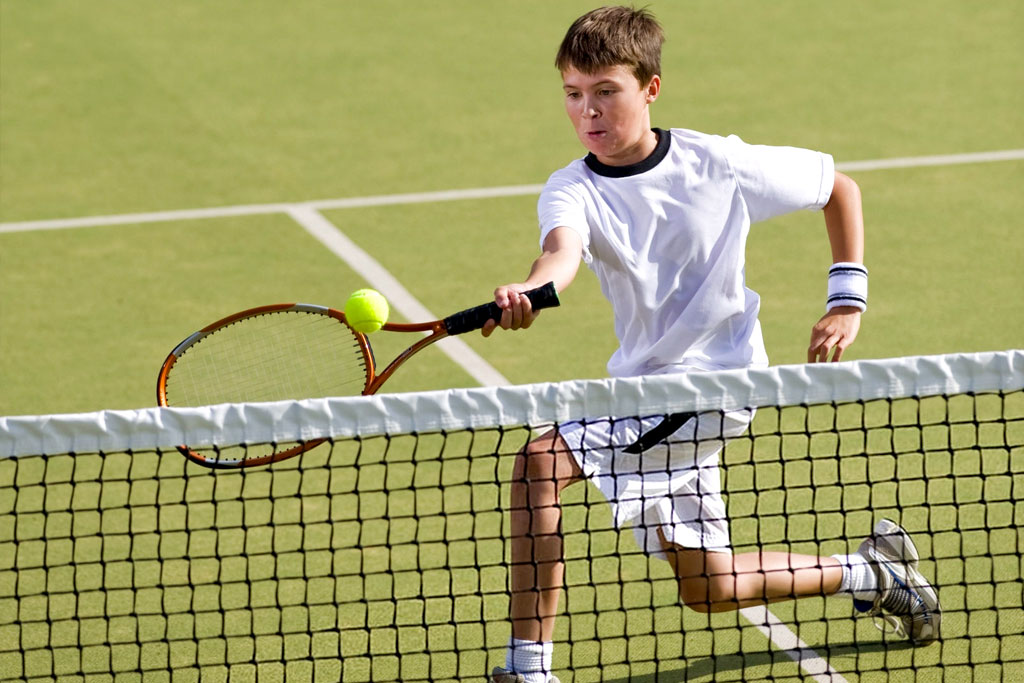
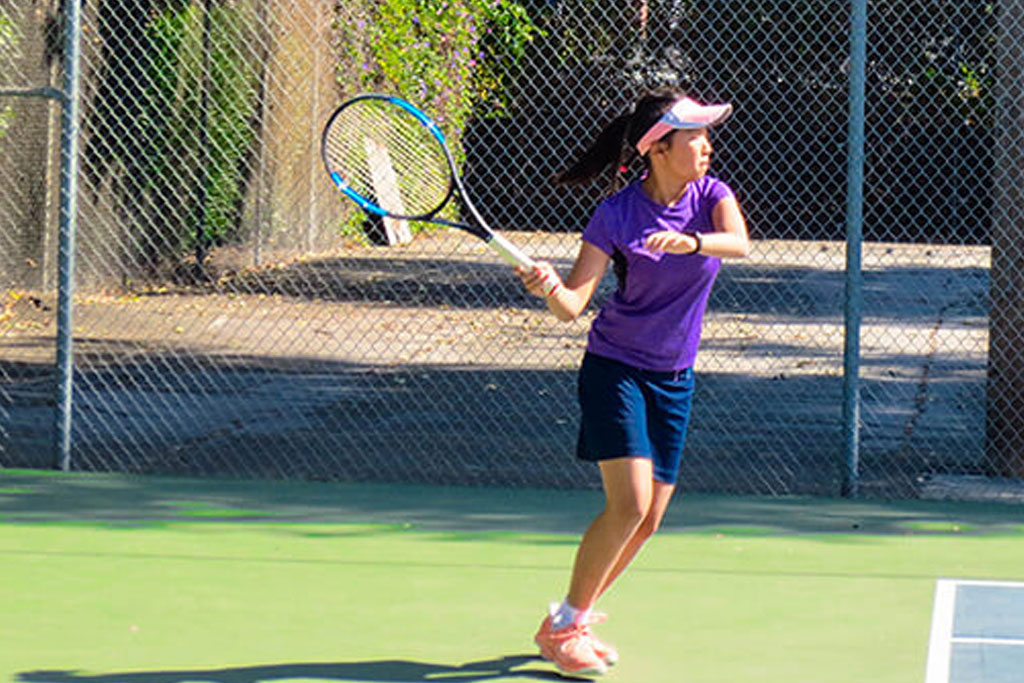
A tennis clinic in the Bay Area typically provides guided practice focused on important techniques such as forehands, backhands, volleys, serves, footwork, and court positioning. Coaches can introduce skills progressively, allowing players to work on the fundamentals before moving toward more advanced techniques.
For beginners, this structure can make learning tennis feel less overwhelming. Instead of trying to figure everything out independently, players can learn how to hold the racket, prepare for a shot, move toward the ball, and recover after hitting it.
For more experienced players, regular clinics can help reinforce existing skills while identifying areas that need additional attention.
Consistency is especially important for young tennis players. A weekly clinic creates a dependable practice routine, giving children regular opportunities to repeat movements and gradually develop better coordination and control.
The goal isn’t instant perfection. It’s steady improvement.
2. Stay Active During the Fall Season
Between school, homework, work, and screen time, staying physically active can sometimes become challenging. A weekly kids tennis clinic or adult tennis program provides a scheduled opportunity to get outside and move.
Tennis is a dynamic sport. Players walk, run, stop, change direction, reach for shots, and recover into position throughout a session. These movements can support important physical abilities, including agility, balance, coordination, speed, and endurance.
For children, tennis can be a fun alternative to sedentary activities. Instead of exercise feeling like another chore, the focus stays on learning a sport and enjoying time on the court.
Adults can benefit from the same routine. A recreational tennis clinic can add movement to a busy workweek while providing a social and engaging activity.
The Bay Area’s many outdoor tennis facilities also make the fall season an appealing time to play. With the right schedule and weather conditions, players can enjoy an active outdoor experience while continuing to develop their tennis skills.
3. Learn Alongside Other Tennis Players
Tennis may be an individual sport, but learning it doesn’t have to be a solo experience.
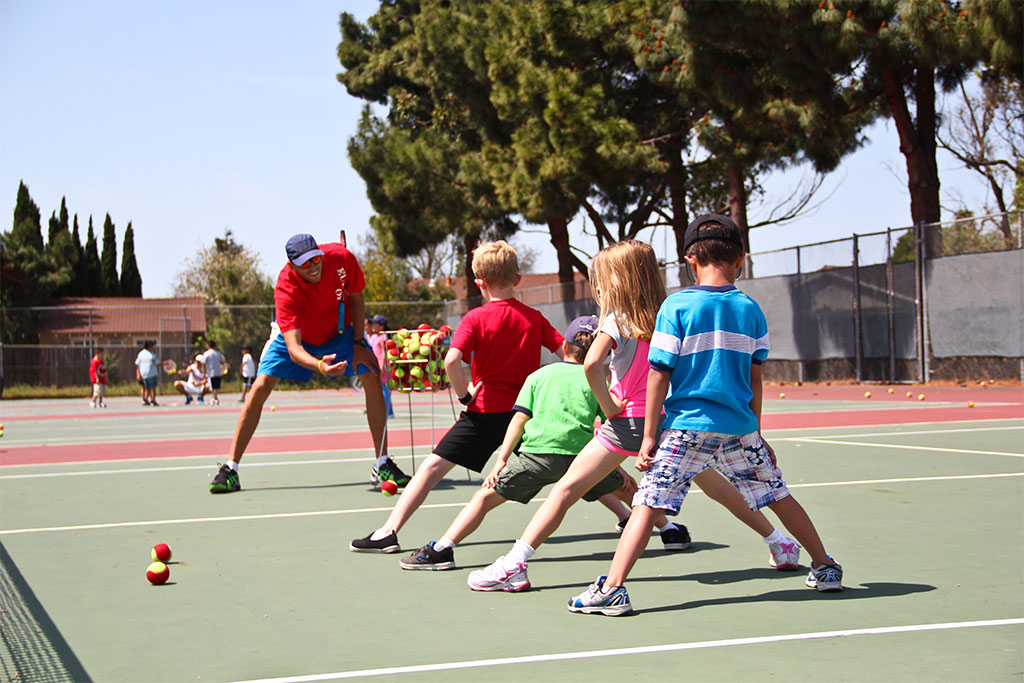
One of the advantages of a group tennis clinic is the opportunity to practice alongside other players. Working with classmates at a similar skill level can make instruction more interactive and enjoyable.
For children, this environment can encourage communication, patience, teamwork, and good sportsmanship. Players learn to take turns, listen to coaches, encourage their peers, and respond appropriately when things don’t go as planned.
They also get to observe other players.
Watching someone else successfully perform a drill can provide a useful visual example. It may even encourage a beginner to try the same skill with greater confidence.
For adults, group tennis lessons can offer a similar sense of community. Meeting other recreational players can make it easier to stay motivated and look forward to each weekly session.
A welcoming tennis clinic can turn practice into a social experience while still keeping skill development at the center of the session.
4. Build Confidence on the Tennis Court
Confidence is an important part of learning any new sport, and tennis is no exception.
Beginners may initially feel unsure about their swing, movement, scoring, or court position. That’s completely normal. With regular instruction and practice, unfamiliar skills can gradually become more comfortable.
A structured tennis training program gives players opportunities to experience small wins along the way.
Maybe a player successfully returns a serve for the first time. Perhaps a child completes a forehand drill without missing. Another player might finally develop a more consistent serve.
These moments may seem small, but they can make a meaningful difference in how players approach the sport.
Tennis also teaches players that mistakes are part of learning. Missing a shot isn’t necessarily a setback; it can provide information about what to practice next.
Over time, players can become more willing to try challenging skills, recover from mistakes, and keep working when something doesn’t immediately click.
That confidence can make tennis more enjoyable and encourage players to continue developing their abilities.
5. Create a Foundation for Future Tennis Development
A fall tennis clinic can be more than a seasonal activity. It can become the foundation for continued tennis development.
Players who begin with a Bay Area tennis clinic in Fall 2026 can use the experience to determine what they want to pursue next. Some may simply want to continue playing recreationally. Others may become interested in private tennis lessons, advanced clinics, tennis camps, or competitive programs.
Regular instruction can also help players recognize their strengths and areas for improvement.
A player may discover that their groundstrokes are becoming consistent but their serve needs additional practice. Another may have good racket control but need to work on footwork and court positioning.
Understanding these areas allows future training to become more purposeful.
Starting in the fall can also help players maintain momentum through the rest of the year. Rather than taking a long break and starting over later, they can continue building on the skills they developed during the season.
For parents, a recurring tennis class can also provide a predictable activity that fits naturally into a family’s weekly routine.
Make Tennis Part of Your Fall 2026 Routine
Joining a Bay Area tennis clinic in Fall 2026 can give players a structured way to learn tennis, stay active, meet other players, and build confidence.
From beginner tennis lessons to more advanced group training, the right clinic can provide an environment where players can develop at their own pace while enjoying the sport.
For families searching for kids tennis lessons in the Bay Area, fall can be an ideal time to establish a consistent routine. Adults and teens can also benefit from group tennis instruction that combines skill development with an active, social experience.
Tennis is a sport that rewards patience. Progress comes through repetition, practice, and persistence—not overnight results.
This fall, getting started may be as simple as finding a tennis clinic that matches your location, age group, and skill level, grabbing a racket, and stepping onto the court.