1. Introduction: The Rise of Racket Sports in the US and Beyond
Racket sports are experiencing a major global boom, especially in the United States, Europe, and parts of Asia. Among them, tennis remains a long-standing favorite, while padel is rapidly emerging as one of the fastest-growing sports in the world. Naturally, many beginners and even experienced athletes are now asking the same question: padel vs tennis, which one should you choose?
At first glance, both sports look similar. You swing a racket, chase a ball, and try to win points. But once you step onto the court, the experience feels completely different. Tennis is traditional, technical, and physically demanding, while padel is social, fast-paced, and easier to pick up.
This guide breaks down the differences in a simple, practical way so you can confidently choose the right sport for your lifestyle, fitness goals, and personality.
2. Understanding Tennis: A Classic Global Sport
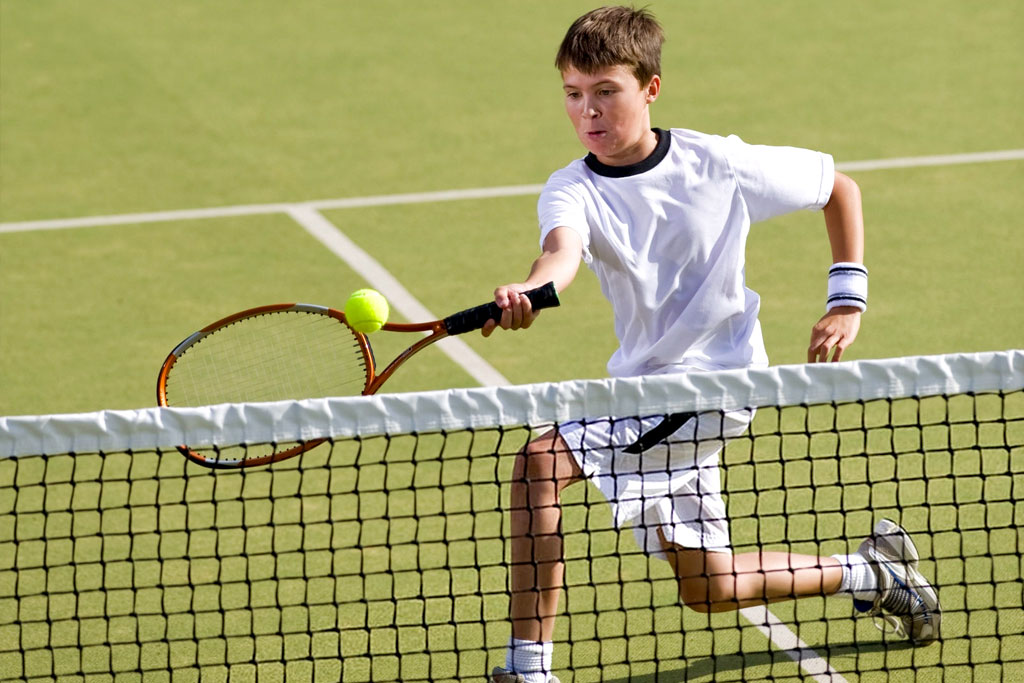
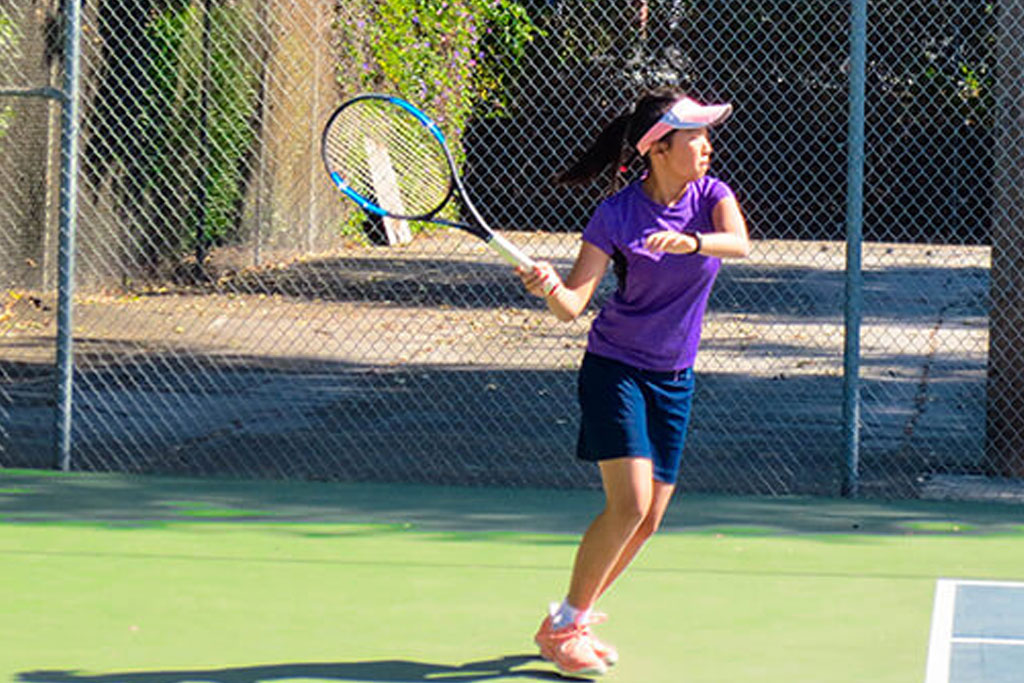
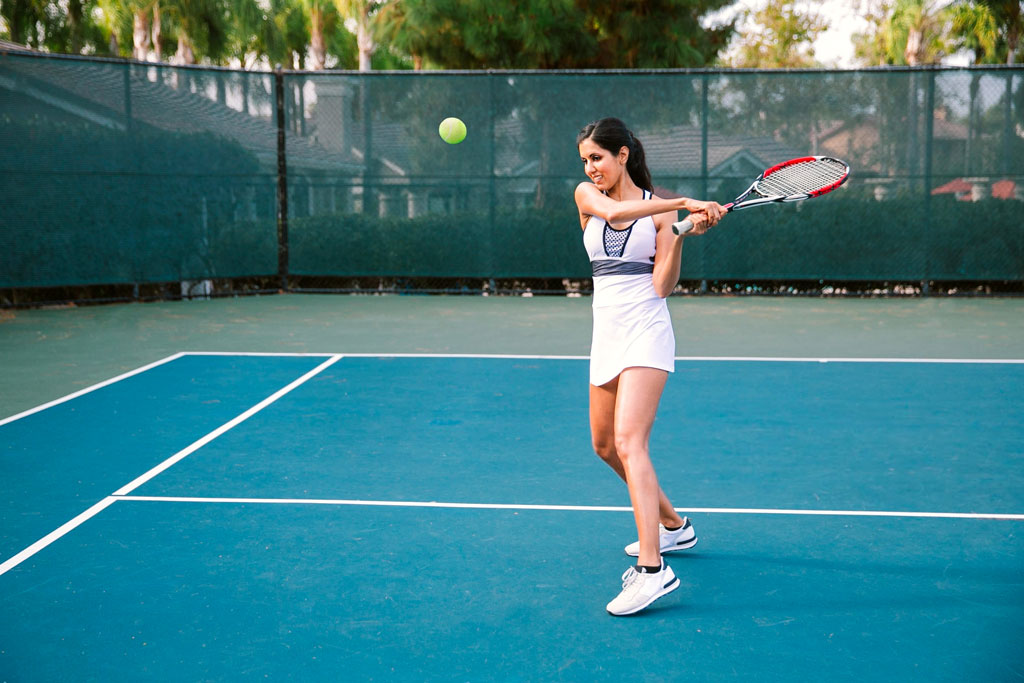
Tennis is one of the most iconic sports in the world, with a rich history and global tournaments like the Grand Slams shaping its legacy. It is played on a large rectangular court, either as singles or doubles, with players separated by a net.
The goal is simple: hit the ball in a way that your opponent cannot return it within bounds. However, the execution is far from simple. Tennis demands precision, timing, endurance, and strong mental focus. Every point can shift the momentum of a match.
Players use stringed rackets designed for power and spin, and the game is played on different surfaces such as clay, grass, and hard courts. Each surface changes the speed and bounce of the ball, adding strategic depth.
Tennis is often described as a sport of discipline and mastery. It rewards patience, repetition, and technical improvement over time.
3. Understanding Padel: The Fast-Growing Social Sport
Padel is a modern racket sport that combines elements of tennis and squash. It is usually played in doubles on an enclosed court surrounded by glass walls and metal fencing. These walls are not just boundaries—they are part of the game.
The ball can bounce off the walls, creating longer rallies, unexpected angles, and more dynamic gameplay. This makes padel highly engaging and exciting even for beginners.
The scoring system is similar to tennis, but the gameplay feels more fluid and continuous. The racket used in padel is solid and perforated, without strings, which gives players better control and easier handling.
Padel has grown rapidly in countries like Spain and is now expanding globally due to its accessibility, fun factor, and social nature.
4. Padel vs Tennis: Key Differences You Should Know
The most obvious difference between padel and tennis is the court size. Tennis courts are significantly larger, requiring more running, stamina, and powerful shots. Padel courts are smaller, which means less running but more focus on positioning and quick reflexes.
Another major difference is gameplay structure. Tennis can be played in singles or doubles, while padel is almost always played in doubles. This makes padel a more social and teamwork-oriented sport.
The style of play also varies greatly. Tennis rallies can be short and explosive, often ending with aces or forced errors. Padel rallies tend to last longer because the walls keep the ball in play, creating a more strategic and rhythmic flow.
Equipment is another key factor. Tennis rackets are strung and designed for power, spin, and control. Padel rackets are solid and easier to use, making them more beginner-friendly.
Overall, tennis is more technical and physically intense, while padel is more accessible and conversational in style.
5. Fitness, Skills, and Learning Curve Comparison
Tennis is a physically demanding sport that requires speed, endurance, agility, and strong coordination. Players often cover large distances on the court and must generate explosive power, especially during serves and baseline rallies. It is an excellent full-body workout, but it can feel intense for beginners.
Padel, on the other hand, is easier on the body. The smaller court reduces the need for long-distance running, and the game relies more on smart positioning and reaction time than raw power. This makes it ideal for players of all ages.
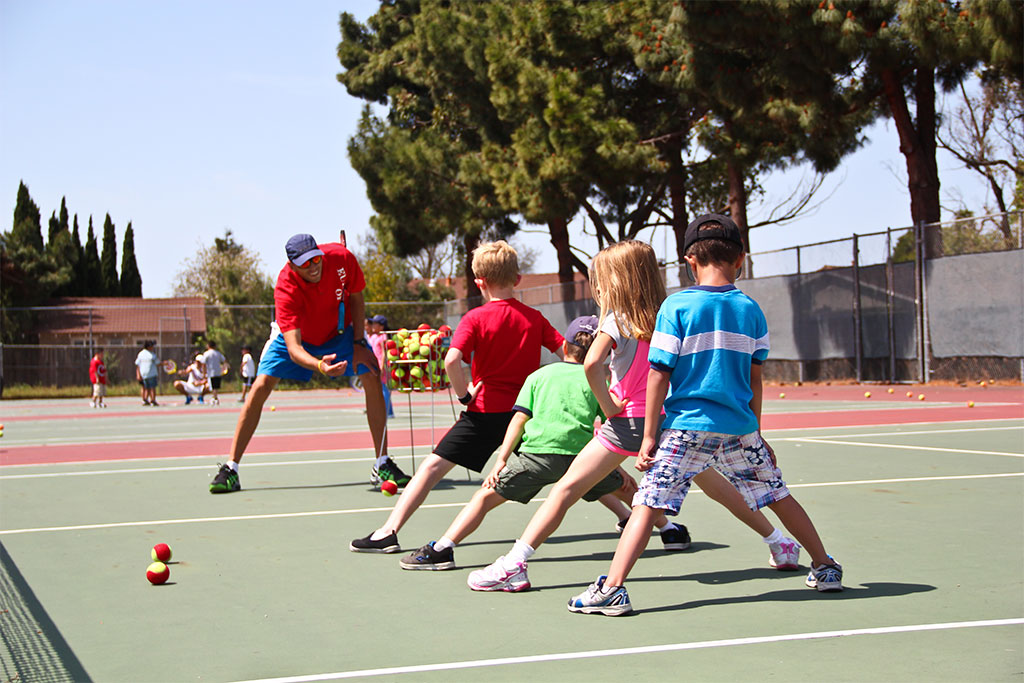
In terms of the learning curve, padel is significantly easier to pick up. Most beginners can enjoy rallies within their first session. Tennis usually takes more practice to develop consistency, especially with serves and long rallies.
When it comes to injury risk, tennis has a slightly higher impact due to repetitive strain on joints and explosive movements. Padel is generally lower impact, making it a popular choice for recreational players.
6. Lifestyle, Social Experience, and Accessibility
Tennis is often viewed as a more competitive and individual-focused sport. Even in doubles, the game can feel intense and performance-driven. It attracts players who enjoy structure, discipline, and personal challenge.
Padel, in contrast, is highly social. Because it is played in doubles and within a smaller enclosed court, communication and teamwork are essential. It is common for matches to feel fun, relaxed, and community-driven.
Accessibility is another major factor. Tennis courts require more space and maintenance, which can limit availability in some areas. Padel courts are smaller and easier to build, which is one reason why the sport is growing so quickly worldwide.
In terms of cost and entry barrier, padel is often seen as more beginner-friendly. Tennis may require more coaching and practice investment upfront.
For modern lifestyles, padel often fits casual and social schedules, while tennis suits structured training and competitive goals.
7. Final Verdict: Which One Should You Choose?
Choosing between padel and tennis depends on your personal goals and lifestyle preferences.
If you are looking for a high-intensity workout, technical skill development, and a traditional competitive sport, tennis is the better choice. It challenges both the mind and body and offers long-term athletic growth.
If you prefer a fun, social, and easy-to-learn sport that still gives you a great workout, padel is an excellent option. It is perfect for casual players, families, and anyone who enjoys group activity.
Many players actually enjoy both sports—tennis for discipline and fitness, and padel for fun and relaxation.
In the end, there is no wrong choice. Whether you step onto a tennis court or a padel court, you are choosing movement, energy, and a healthier lifestyle.