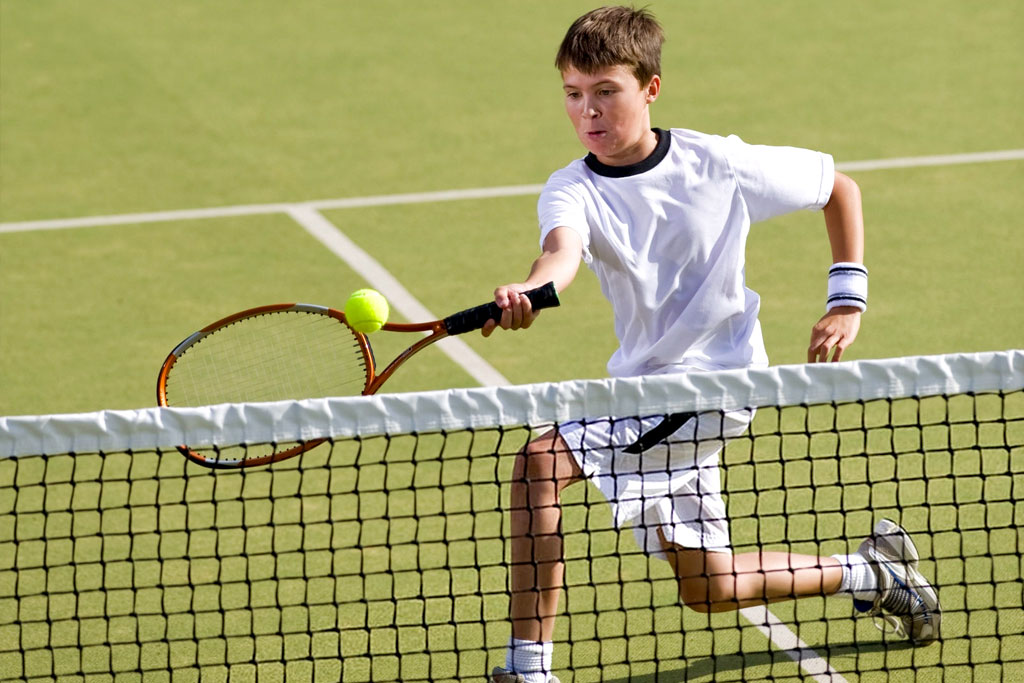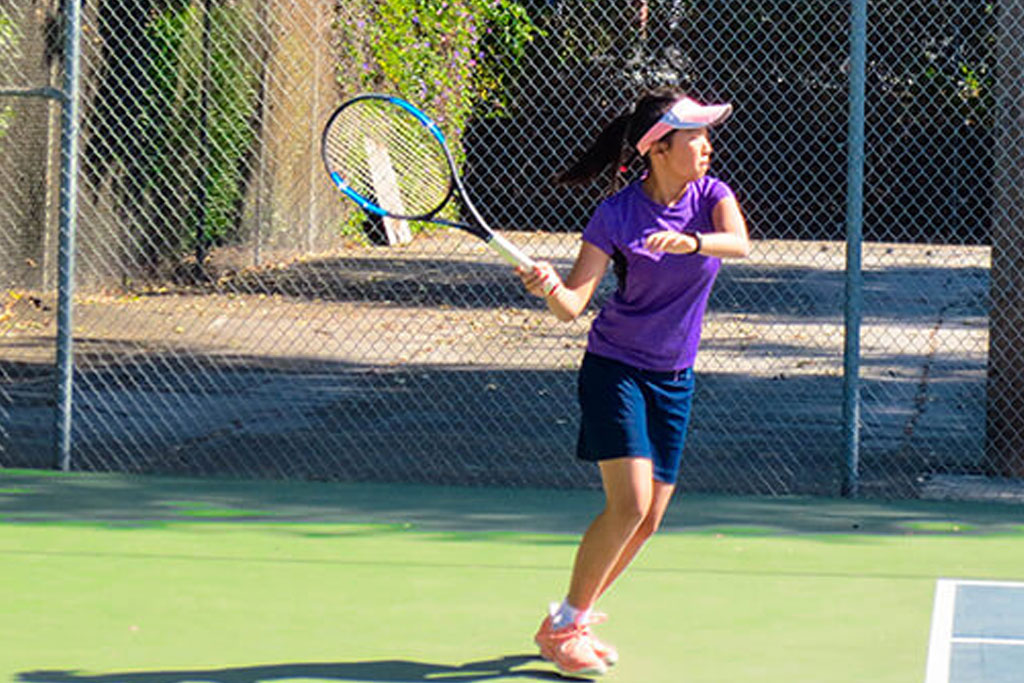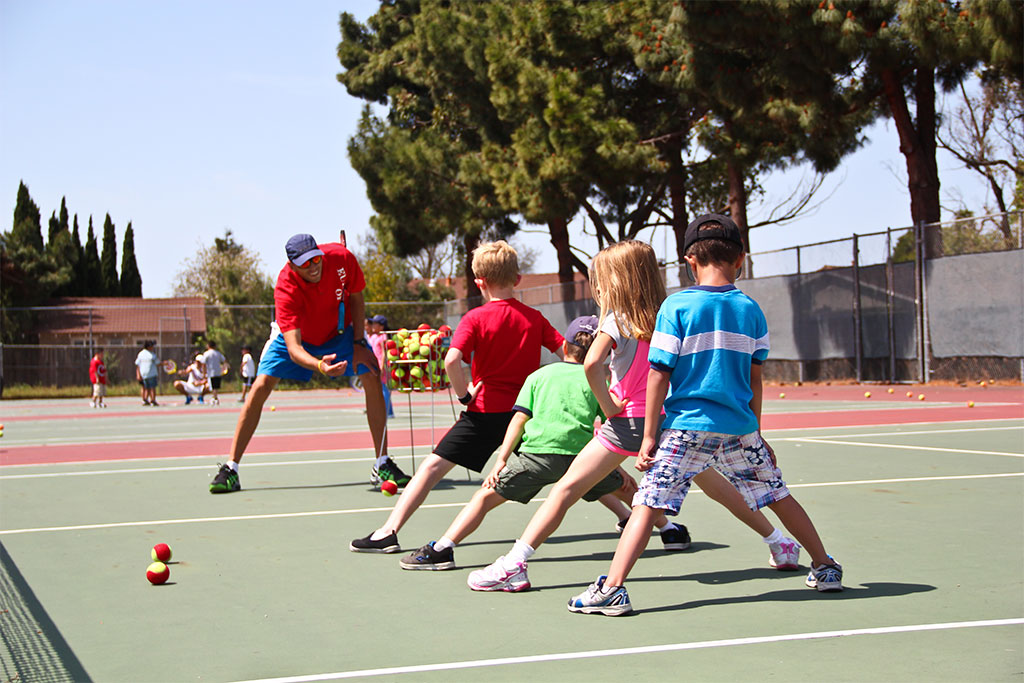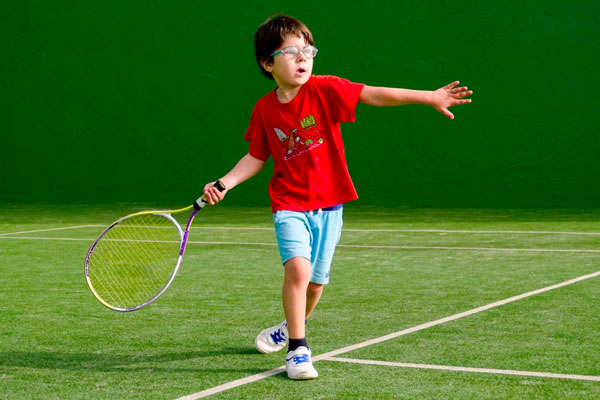
Tennis is attracting a new generation of players, and many children are picking up a racket earlier than ever. With more accessible youth tennis programs, age-appropriate equipment, and engaging instruction, tennis is no longer reserved for older children or experienced athletes.
For parents looking for an active after-school activity, tennis offers an appealing combination of exercise, skill development, social interaction, and mental focus. More importantly, children can begin learning the sport in a way that feels playful rather than intimidating.
Starting tennis at a young age is not about creating a professional athlete overnight. It is about helping children discover movement, develop confidence, and build a positive relationship with a sport they can enjoy for decades.
Why Are More Kids Starting Tennis at a Young Age?
Several changes have made tennis more accessible to younger children. Tennis lessons for kids are increasingly designed around developmental stages, allowing beginners to learn fundamental skills without being overwhelmed by adult-sized courts, equipment, or expectations.
Better Access to Youth Tennis Programs
Parents today can find programs specifically designed for preschoolers, elementary school children, and young beginners. These programs introduce tennis through age-appropriate drills, games, and movement activities.
Instead of immediately focusing on advanced techniques or competitive matches, young players can learn basic skills such as tracking the ball, moving into position, swinging the racket, and making contact.
This approach makes tennis feel achievable.
A child does not have to master a serve on the first day. They simply need to enjoy the experience and begin learning.
Age-Appropriate Equipment Makes Learning Easier
Adult tennis equipment can be difficult for small children to control. Modern kids’ tennis programs often use smaller rackets, lower-compression balls, and modified court dimensions.
These adaptations are important because they allow children to experience success sooner.
A lighter racket is easier to maneuver. A slower-moving ball gives beginners more time to react. A smaller court means children do not have to cover an overwhelming amount of space.
The result is a more comfortable introduction to the sport.
Families Want Active Alternatives
Parents are also looking for meaningful ways to balance screen time with physical activity.
Children spend much of their day in classrooms, and afternoons can quickly turn into hours of television, video games, or mobile devices. Tennis provides a welcome alternative.
Players run, stretch, change direction, swing, react, and make decisions while interacting with coaches and other children.
It is exercise—but it feels like play.
The Benefits of Starting Tennis at a Young Age
Early tennis participation can provide physical, mental, and social benefits that extend beyond the court.
Developing Coordination and Athletic Skills
Tennis is a complex movement sport. Children must watch the ball, move their feet, position their bodies, swing the racket, and prepare for the next shot.
These actions can help develop hand-eye coordination, balance, agility, footwork, reaction time, and body awareness.
These fundamental movement skills can also support participation in other sports. A child who develops good balance and coordination through tennis may find it easier to learn new physical activities later.
Building Confidence Through Progress
Young children often gain confidence when they accomplish something that initially seemed difficult.
A beginner might struggle to hit a stationary ball. With practice, that same child may eventually make consistent contact, rally with a partner, or successfully hit a ball over the net.
Those moments matter.
They show children that effort can produce progress.
Youth tennis programs can create many small opportunities for achievement, helping children develop confidence without making winning the primary objective.
Developing Focus and Patience
Tennis also exercises the mind.
Children need to pay attention to the ball, listen to instructions, remember techniques, and anticipate movement. They learn that some skills require repeated practice before they feel natural.
That process develops patience.
A child learns that improvement is not always immediate—and that is okay.
The lesson is simple but powerful: keep practicing, stay focused, and give yourself time to improve.
How Modern Youth Tennis Makes Learning Fun
The way children learn tennis has evolved. Effective programs recognize that young children learn best when instruction includes movement, imagination, and play.
Learning Through Games
Children naturally learn through games.
Instead of spending an entire lesson repeating technical drills, instructors can incorporate targets, movement challenges, partner activities, races, and simple rallies.
A child may be practicing a forehand without even realizing it.
That playful approach can keep young players engaged while reinforcing important tennis fundamentals.
Smaller Courts, Bigger Opportunities
Modified courts allow young players to experience the game at an appropriate scale.
Rather than struggling to cover a full-size court, children can focus on movement, positioning, and ball control. As their skills develop, they can gradually transition toward more advanced equipment and court dimensions.
Progress becomes a natural progression rather than a sudden leap.
Positive Coaching Encourages Motivation
The coaching environment matters enormously.
Young players should feel comfortable making mistakes and asking questions. Coaches can reinforce effort, celebrate improvement, and provide constructive feedback without creating unnecessary pressure.
The goal is to help children associate tennis with positive experiences.
A child who finishes practice thinking, “That was fun!” is more likely to return next week.
Tennis Can Become a Lifelong Sport
One of tennis’s greatest advantages is its longevity.
Children can begin with basic tennis classes for kids and eventually progress into recreational play, junior competition, school teams, or more advanced training.
Not every child needs to become a tournament player.
Some may simply enjoy hitting with friends or family. Others may develop a passion for competitive tennis. The sport offers room for both paths.
Building Healthy Habits Early
When children learn to enjoy physical activity at an early age, movement can become a normal part of their lifestyle.
Tennis provides a sustainable option because the sport can evolve with the player.
The equipment changes. Skills become more sophisticated. Competition may become more challenging.
But the fundamental experience remains the same: move, practice, learn, and play.
How Parents Can Help Kids Get Started
Parents can make the introduction to tennis easier by focusing on the child’s experience rather than immediate performance.
Choose an Age-Appropriate Program
Look for a youth tennis program that matches your child’s age, experience, and developmental level.
A beginner-friendly program should provide appropriate equipment, clear instruction, and activities that keep children engaged.
If a child feels overwhelmed during the first few lessons, the sport can quickly become frustrating. A supportive introduction can have the opposite effect.
Prioritize Fun Over Competition
Young children do not need pressure to win.
Early participation should focus on learning fundamental skills, making friends, staying active, and discovering whether they enjoy the sport.
Competition can come later if the child wants it.
A positive first experience is often more valuable than an early trophy.
Encourage Consistent Participation
Children do not need hours of training every day.
A regular weekly lesson, combined with occasional practice or family play, can help children become comfortable with the sport while keeping the experience enjoyable.
Consistency builds familiarity, and familiarity builds confidence.
The Future of Tennis Starts With Young Players
The future of tennis depends on making the sport welcoming to the next generation.
Today’s kids’ tennis programs are helping accomplish that by using smaller equipment, modified courts, playful instruction, and age-appropriate coaching.
Starting tennis at a young age can help children develop coordination, confidence, concentration, resilience, and healthy movement habits. It can also introduce them to friendships, teamwork, and a sport they can enjoy throughout different stages of life.
But perhaps the most important goal is not creating the next tennis champion.
It is creating a child who enjoys being active.
A child who is excited to pick up a racket.
A child who feels proud after learning a new skill.
A child who understands that mistakes are simply part of getting better.
That is where the future of tennis begins.
Not with a trophy.
Not with a ranking.
But with a young player stepping onto the court, discovering the joy of the game, and saying, “Can we play again?”